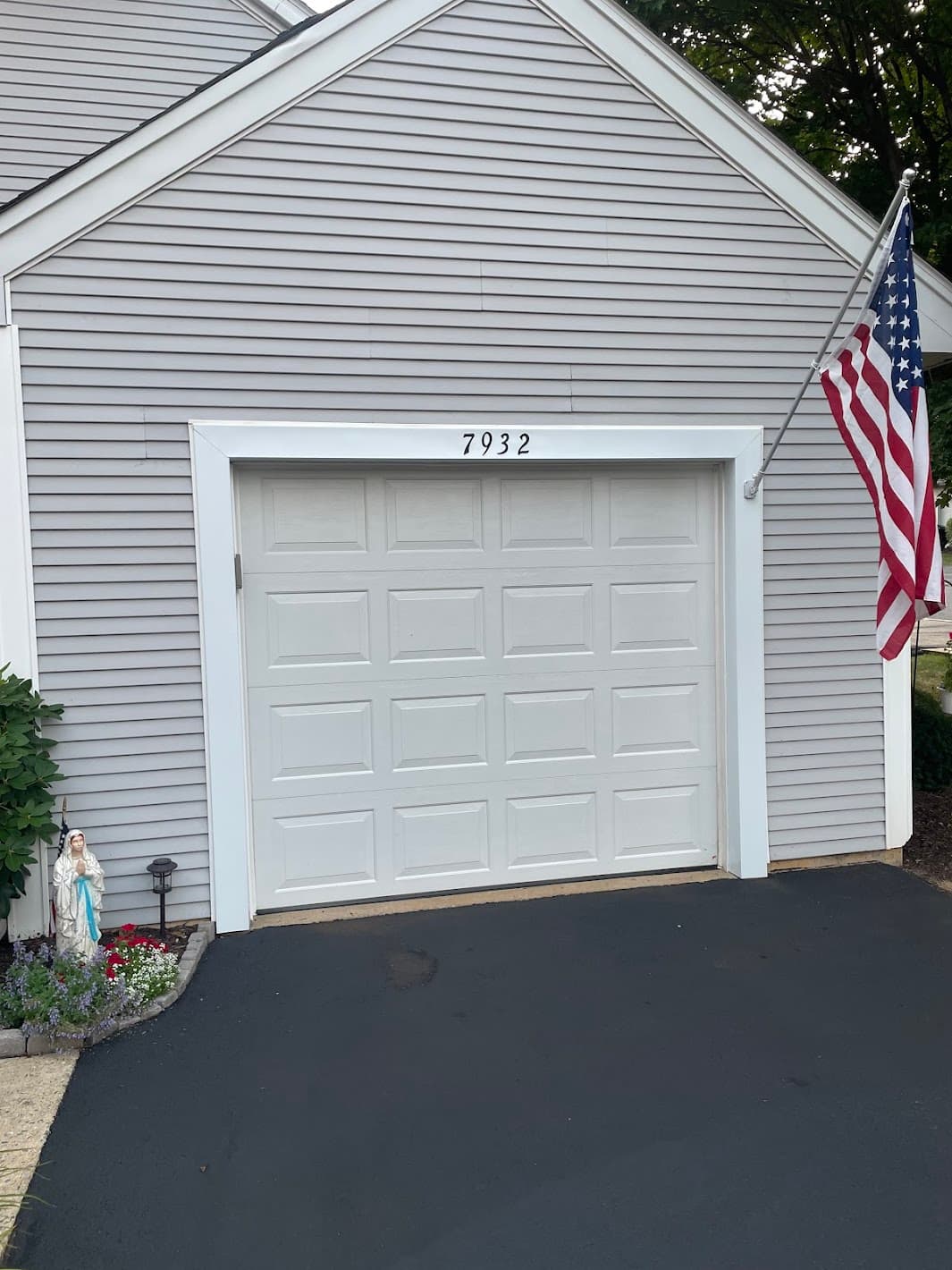
Vinyl Siding Maintenance Tips for a Longer-Lasting Home
Jeff Stover
Owner of E&K Contracting with 20+ years of exterior remodeling experience in Bucks, Lehigh, and Montgomery Counties.
Vinyl siding maintenance is mostly about catching small problems early and cleaning the surface the right way. If you stay on a simple routine, your siding can keep doing its job through wet springs, summer storms, and winter freeze-thaw swings in Bucks, Lehigh, and Montgomery counties.
What You’ll need before you start
Before you begin, gather a garden hose, bucket, mild dish soap or a siding-safe cleaner, soft-bristle brush, microfiber cloth, gloves, a ladder used carefully, and a notepad. That is enough for a basic maintenance check and cleaning session.
The goal is to keep this routine simple. You are not trying to turn siding care into a major exterior project. You are checking condition, removing buildup, and making note of anything that needs repair.
Step 1: walk around your home and inspect the siding
Start with a full walk-around before cleaning. Dry siding is easier to inspect, and dirt often hides the same places where damage starts.
- Walk the perimeter slowly and look at each wall from a few angles.
- Stop at corners, lower edges, window trim, and rooflines.
- Write down any area that looks loose, stained, cracked, or uneven.
A full inspection matters because vinyl is low maintenance, not no maintenance.
Check for cracks, loose panels, and warped sections
- Look for panels that appear split, dented, bowed, or pulled out of place.
- Tap lightly near any section that looks loose.
- Note any rattling or movement that seems different from surrounding panels.
Some movement is normal. Siding needs room to expand and contract as temperatures change. The catch is repeated buckling or obvious warping, which can point to impact damage or installation problems.
Look closely at seams, trim, and caulk lines
- Check around windows, doors, vents, and utility lines.
- Look for gaps where trim meets siding.
- Notice caulk that is cracked, dried out, or missing.
Failing caulk means the seal has broken down. Water can slip into those small openings long before you notice staining indoors.
Pay extra attention after storms in bucks, lehigh, and montgomery counties
- Inspect siding after strong wind, hail, or heavy rain.
- Recheck the sides of the house that take the worst weather.
- Compare storm-exposed sections to protected areas.
After a windy night in Doylestown or a strong summer storm moving through Allentown, this quick check can help you spot a loose panel before moisture gets behind it.
Step 2: rinse and clean your vinyl siding the right way
Wash siding gently at least once a year. Dirt, pollen, algae, and road grime can hold moisture against the surface and make minor issues harder to see.
Start with a simple rinse from a garden hose
- Spray the siding with a steady, gentle stream.
- Work in sections and rinse off loose dirt first.
- Avoid spraying directly upward into gaps.
This first rinse loosens grit so you do not scrub it into the finish.
Mix a mild cleaning solution and scrub with a soft brush
- Fill a bucket with water and a small amount of mild dish soap or siding-safe cleaner.
- Scrub one section at a time with a soft-bristle brush.
- Work from bottom to top, then rinse thoroughly.
Cleaning from bottom to top helps reduce streaking. Skip abrasive pads and harsh chemicals. A softer approach is usually the better fix for vinyl siding maintenance.
Be careful with pressure washers
- Avoid high-pressure washing on older, loose, or damaged siding.
- Do not spray water directly at panel seams.
- Use a professional soft-wash service if staining is stubborn or hard to reach.
Pressure can force water behind panels and create hidden moisture problems. That is why gentle washing beats treating siding like a concrete driveway.
Step 3: control moisture around the siding
Most recurring siding trouble starts with moisture. If a wall stays damp, dirt sticks faster and algae has an easier time coming back.
Clean gutters and downspouts so water moves away from the house
- Check for overflow marks or splashback on the siding.
- Watch where roof runoff lands during rain.
- Address drainage problems if water repeatedly runs down the walls.
Overflowing gutters can leave streaks and soak the lower siding. If your gutter system is failing, full replacement is the right long-term fix.
Trim back shrubs, vines, and tree branches
- Cut vegetation back so it does not touch the siding.
- Clear space around corners and lower walls.
- Keep branches from rubbing the panels in wind.
Siding needs breathing room, like clothes drying on a line. Better airflow helps surfaces dry faster after rain.
Watch shaded areas for mold or algae growth
- Inspect north-facing walls and damp corners more often.
- Look for green, black, or dark gray staining.
- Clean those spots early before buildup settles in.
Shaded walls usually show trouble first, especially where trees block sun and airflow.
Step 4: fix small issues before they spread
Small openings can become bigger repairs if water and pests get behind the siding.
Secure or replace loose and damaged panels
- Mark any panel that rattles, gaps, or pulls away.
- Check whether the problem is limited to one area.
- Arrange repair or replacement promptly.
Loose siding is not just cosmetic. It can expose the wall underneath to moisture.
Address holes, cracks, and impact damage
- Inspect around decks, lawn edges, and driveways.
- Look for punctures from tools, stones, or storm debris.
- Repair damaged sections before the opening grows.
A small hole can let in more water than it appears to.
Know when installation issues are part of the problem
- Watch for repeated buckling in the same area.
- Notice panels that seem tightly pinned in place.
- Have the installation checked if movement looks restricted.
Vinyl siding should have room to move. If fasteners are overdriven or panels were installed too tightly, the problem usually keeps coming back.
Step 5: set a simple seasonal maintenance schedule
The trick is consistency.
Spring and fall checklists
- Use spring for washing and checking winter damage.
- Use fall for another inspection and drainage review.
- Revisit any area that showed stains, gaps, or movement earlier in the year.
That twice-a-year rhythm is enough for most homes.
Keep a short maintenance log
- Write down cleaning dates and repair notes.
- Record where stains or loose panels keep showing up.
- Keep the list handy if you later bring in a contractor.
A short log makes patterns easier to spot.
Troubleshooting common vinyl siding problems
Some issues look cosmetic but point to moisture or aging.
Why does siding keep looking dirty after cleaning?
Recurring dirt can come from oxidation, tree cover, splashback, or algae in damp shade. If stains return quickly, look for a moisture source instead of cleaning harder.
What should you do if siding is faded or brittle?
Cleaning will not fix sun fading or brittle panels. If the surface looks chalky, cracks easily, or has lost flexibility, replacement is usually more practical than repeated patching.
When is it time to call a pro?
Call for help if you see widespread warping, storm damage, moisture intrusion, or anything that requires high ladder work. Repeated shifting or staining can also point to a deeper problem with drainage or installation.
What results to expect and what to do next
With regular inspections, gentle cleaning, and quick repairs, your siding should stay cleaner and hold up better over time. Try one thing now: walk the exterior of your home this week and note any loose panels, dark stains, or failed caulk before the next storm finds them.
Frequently Asked Questions
How often should you clean vinyl siding?
A yearly cleaning is a good baseline for most homes. If your house has heavy tree cover, persistent shade, or noticeable grime after winter, an extra rinse or spot cleaning can help.
Can you use bleach on vinyl siding?
A mild soap solution is the safer starting point. Stronger cleaners can damage nearby plants or affect the siding finish if used carelessly, so use caution and rinse thoroughly.
Is vinyl siding supposed to move a little?
Yes. Vinyl expands and contracts with temperature changes, so slight movement is normal. Panels that buckle, gap, or pull away are different and should be checked.
Can damaged vinyl siding be repaired instead of replaced?
Small isolated damage can often be repaired by replacing a panel or section. If damage is widespread, repeated, or tied to installation problems, broader replacement may make more sense.
Does vinyl siding need professional maintenance?
Not always. Basic inspection and gentle cleaning are manageable for many homeowners, but high areas, storm damage, and recurring moisture or algae problems are better handled professionally.
Siding done right, the first time
E&K Contracting has served Bucks, Lehigh, and Montgomery County homeowners for over 20 years. Free estimates, no pressure.