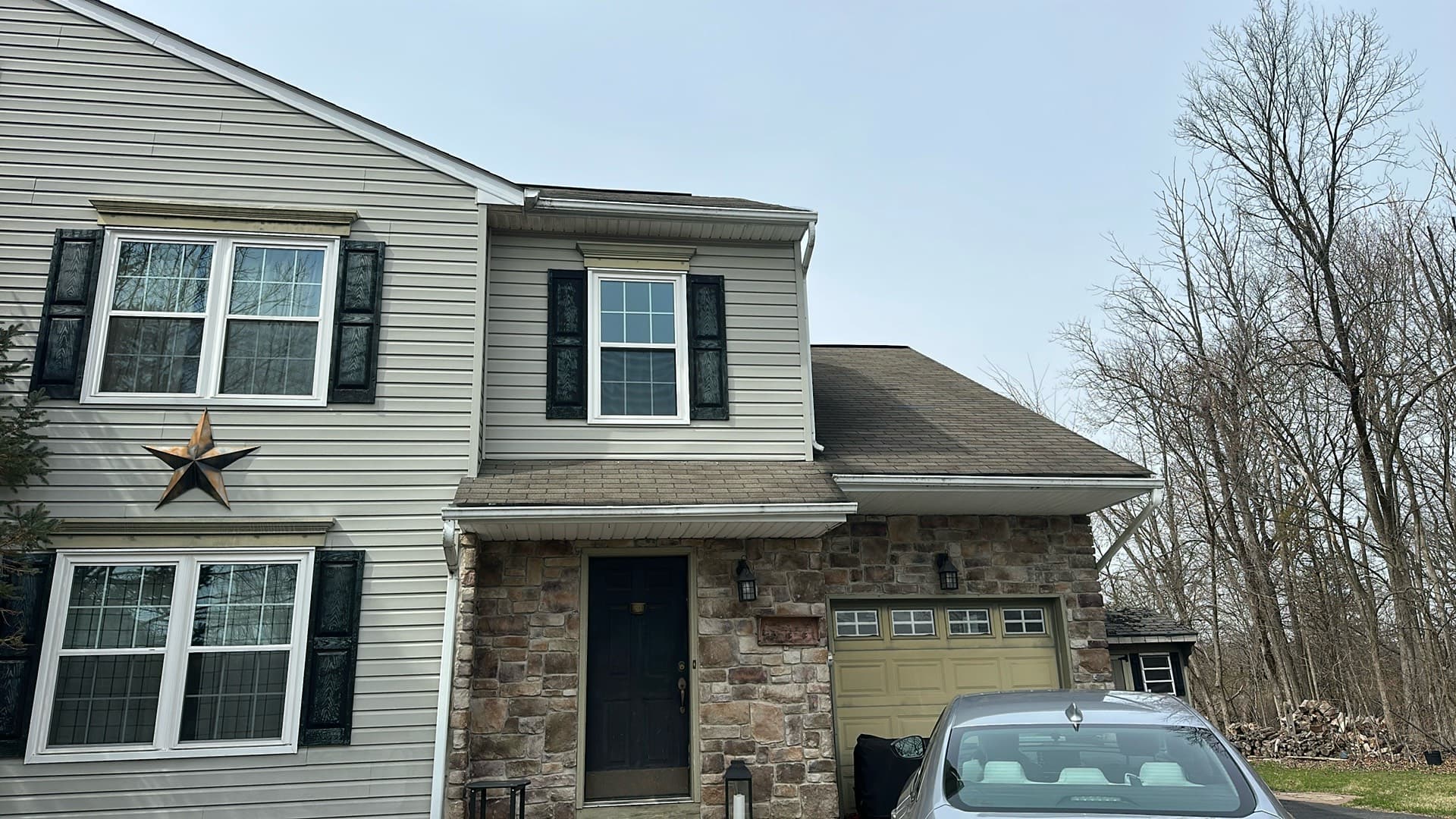
Replacement Windows in Pennsylvania: What to Buy
Jeff Stover
Owner of E&K Contracting with 20+ years of exterior remodeling experience in Bucks, Lehigh, and Montgomery Counties.
If you are shopping for replacement windows Pennsylvania homeowners actually get good value from, start with climate fit and installation quality, not showroom extras. In Bucks, Lehigh, and Montgomery counties, the best buy for most homes is an energy-efficient, professionally installed vinyl window or another low-maintenance option with a strong glass package.
What replacement windows make sense in pennsylvania
A window can look fine and still perform poorly. You notice it on a cold morning when the chair near the window feels chilly, or in midsummer when one room heats up faster than the rest of the house. In southeastern Pennsylvania, the window itself matters, but the combination of frame, glass, and installation matters more.
Here is the direct answer: for most homes in this part of Pennsylvania, low-maintenance replacement windows with solid energy performance are the practical choice. Vinyl usually leads that list because it balances insulation, upkeep, and long-term value better than most alternatives. If your home has a specific architectural style or interior finish requirement, wood, composite, or fiberglass can make sense, but only if the added cost matches a real goal.
The other part of the buying decision is easier to miss. A high-performing window installed poorly can end up drafty, hard to operate, or vulnerable to moisture problems. That is why the best purchase is not just a product choice. It is a scope-of-work choice.
Why Pennsylvania’s climate changes what you should buy
Pennsylvania asks a lot from exterior materials. Winter brings freezing temperatures, wind, and repeated freeze-thaw cycles. Summer brings humidity, heavy rain, and strong sun. Your windows need to help hold indoor heat during winter, limit unwanted heat gain during summer, and keep water and air from slipping through the edges.
That climate pattern shows up clearly in Bucks, Lehigh, and Montgomery counties. Older housing stock is common. So are mixed room conditions, drafty second floors, and windows that have been painted, patched, or trimmed around more than once. A good replacement window should improve comfort in everyday use, not just look cleaner from the curb.
Climate fit, in plain English, means the window is built to reduce heat flow in both directions. You want indoor warmth to stay in when it is cold outside, and outdoor heat to stay out when the sun is beating on the glass in July. You also want the opening sealed correctly so moisture does not get a foothold around the frame.
The performance ratings that actually matter
Window labels can feel like appliance labels with more acronyms. The trick is to ignore most of the noise and focus on the ratings that affect comfort and energy performance.
U-factor tells you how much heat passes through the whole window. Lower is better. In Pennsylvania, this is one of the first numbers to check because winter heat loss is a real part of the equation.
Solar Heat Gain Coefficient, usually shortened to SHGC, measures how much solar heat the window lets in. Lower numbers block more heat from direct sun. That can help in rooms that overheat in summer, though an ultra-low number is not always necessary on every side of the house.
Air leakage measures how much air slips through the window assembly. Again, lower is better. If you have ever stood near an older unit and felt moving air around the sash, this number matters.
Visible transmittance tells you how much natural light passes through the glass. Higher numbers mean a brighter window. This matters, but usually after U-factor and air leakage.
NFRC labels matter too. That stands for National Fenestration Rating Council. It is the label that gives you tested performance numbers so you can compare products on a common basis instead of relying on broad marketing claims.
Why ENERGY STAR is a good starting filter
If you want a simple first screen, start with ENERGY STAR certification. Current ENERGY STAR criteria are based on climate zone, which helps narrow the field to windows that are at least built for the kind of weather you get in Pennsylvania.
That does not mean every certified window is equally good. It means you are less likely to waste time looking at products that miss the basic performance target. Think of it like sorting before shopping. You still compare frame material, style, warranty terms, and installer scope, but you start in the right aisle.
ENERGY STAR is also useful when you review quotes. If one proposal includes certified products and another uses vague language about efficiency without clear documentation, that difference matters. Good paperwork usually points to a more careful process overall.
The best window frame materials for pennsylvania homes
Most local quotes will include vinyl, wood, fiberglass, composite, or some form of clad wood. Each has a place. The right one depends on what you care about most: lower upkeep, appearance, rigidity, or long-term return.
Vinyl and uPVC dominate the replacement market for a reason. Vinyl remains the most commonly shipped type, and that lines up with what makes sense for many Pennsylvania homes. It insulates well, resists moisture, and does not ask for much maintenance.
Wood has a different appeal. It looks warmer indoors and can fit older architecture better, but it needs more care. Fiberglass is strong and stable, though often priced above what many homeowners need. Composite tries to split the difference by combining durability and appearance, with varying results depending on the product line.
Vinyl windows: the best fit for most homes
Vinyl is the standard choice because it solves the problems most homeowners actually have. It helps with drafts, keeps maintenance low, and usually lands in a more manageable price tier than wood or fiberglass. It also handles moisture better than traditional wood frames, which matters in a climate with wet springs, humid summers, and freezing winter nights.
For a value-focused project, vinyl is hard to beat. If your main goals are better comfort, lower upkeep, and cleaner operation, it checks the right boxes without forcing you into premium upgrades you may not notice day to day.
The catch is that not all vinyl windows are equal. Frame construction, reinforcement, weatherstripping, hardware, and glass package still matter. A cheap vinyl unit can still be a weak buy.
Wood and composite: when paying more makes sense
Wood makes the most sense when interior appearance is a priority or when your home has a style that looks out of place with standard vinyl profiles. In an older home with detailed trim or a more traditional look, wood interiors can feel more natural.
Composite can also be worth a look if you want something stiffer or more refined than entry-level vinyl. Depending on the product, composite frames may offer better dimensional stability and a different finish profile. But the benefit has to match the house. If the upgrade only changes the brochure, skip it.
With both wood and composite, look closely at upkeep, finish requirements, and warranty terms. Higher material cost only pays off when it solves a real design or performance need.
When fiberglass or premium frames are worth a look
Fiberglass earns attention when you want strength, stability, and long-term durability in demanding conditions. It expands and contracts less with temperature swings than some lower-tier materials, which can help with operation and seal quality over time.
That said, fiberglass often sits in a premium tier. In many homes, especially standard suburban replacements, the performance gain over a well-built vinyl window may be smaller than the price jump suggests. It is more appealing when you have large openings, stronger sun exposure, or a long-term ownership plan where durability matters more than initial savings.
Which window styles to buy based on how you use the room
Style is not just about appearance. It affects how the window opens, how well it seals, how easy it is to clean, and how much ventilation you get. The right choice depends on room use more than catalog photography.
Double-hung windows for all-around versatility
Double-hung windows are common in Pennsylvania homes because they fit almost anywhere. Both sashes move, which gives you flexible ventilation and a familiar look. Many models also tilt in for easier cleaning, which is especially useful on upper floors.
If you are replacing multiple windows across a house and want a consistent, practical default, double-hung is usually the safe starting point. It works in bedrooms, living rooms, and general-use spaces without calling attention to itself.
Casement and awning windows for better seal and airflow
Casement windows hinge at the side and crank outward. Awning windows hinge at the top and open outward from the bottom. Both styles often seal tightly because the sash presses into the frame when closed, which can help where drafts are a concern.
These styles work well in kitchens, bathrooms, and harder-to-reach spots. Over a sink, for example, a casement can be easier to use than a double-hung. In a bathroom, an awning can provide ventilation while maintaining some rain protection during light weather.
Slider, picture, and specialty windows
Slider windows move side to side and can be useful where you want a wider opening without a sash projecting outward. The tradeoff is that sliders often do not seal as tightly as the best casement designs.
Picture windows do not open, but they usually perform well for energy efficiency because there are fewer moving parts. They make sense when the goal is view and daylight, not ventilation.
Bay, bow, and specialty shapes add character, but they add complexity too. More glass, more trim work, and more installation detail usually mean a higher overall project scope. Buy these for a clear reason, not just because they looked good in a showroom corner.
Glass packages and features worth paying for
The frame gets attention, but the glass package often does the heavier lifting for comfort. If two windows look similar, the difference in day-to-day performance may come from the glass more than the frame.
Double-pane vs. triple-pane
For many homes in southeastern Pennsylvania, double-pane glass with a strong low-E package is enough. It gives a solid balance of insulation, comfort, and cost. In everyday terms, it handles the climate well without adding complexity for its own sake.
Triple-pane can make sense in a few situations: a very draft-sensitive room, a house near a busy road, or a location with long exposure to wind and weather. It can also help with sound control. But not every house will deliver a noticeable return from the upgrade. Sometimes the better move is improving installation quality or replacing a weak insert plan with a full-frame approach.
Low-e coatings, gas fills, and spacers
Low-E means low emissivity. In plain language, it is a thin coating on the glass that helps reflect heat where you want it. In winter, it helps keep interior heat inside. In summer, it can reduce solar heat coming in from outside.
Gas fills such as argon or krypton sit between the panes and reduce heat transfer better than plain air. Warm-edge spacers separate the panes around the perimeter and help reduce thermal transfer at the edges, where condensation and heat loss can be more noticeable.
These are worth paying attention to because they affect everyday comfort, not just test-lab numbers. Replacing old single-pane windows with ENERGY STAR certified windows can reduce energy use, but the details of the glass package influence how that performance feels inside the house.
Noise reduction, UV protection, and security features
Some upgrades are situational, and that is not a bad thing. Laminated glass can help with outside noise and can also improve security because it is harder to break through cleanly. Tempered glass is often used where safety standards call for it, such as near doors or in certain low locations.
UV protection matters if you have strong sun exposure and want to reduce fading on floors, rugs, or furniture. But these are use-case upgrades. If your home sits on a quiet interior street and fading is not a concern, you may not notice much benefit.
How much replacement windows cost in pennsylvania
Window pricing is not one number because the project is not one thing. Size, style, frame material, glass package, labor conditions, trim work, and hidden repairs all change the final scope. That is why the cheapest quote often turns out to be the least useful quote.
A better way to compare cost is to compare value. Ask what is included, how the opening will be handled, what kind of glass package is specified, and what labor warranty comes with the installation. A lower sticker number means less if you later pay for repairs, upgrades, or callbacks.
What changes the price the most
The biggest cost drivers are usually custom sizing, premium frame materials, and the difference between insert and full-frame replacement. Access matters too. A second-story opening with difficult setup conditions is not the same job as a simple first-floor swap.
Repair work around the opening also shifts the project. If trim comes off and damaged wood or poor insulation shows up underneath, the scope changes. That is why vague quotes are risky. You want clarity on what happens if hidden conditions are found.
Budget tiers: good, better, best
A good tier usually means an ENERGY STAR-certified vinyl window with a solid double-pane package and standard hardware. For many homes, that is the sweet spot.
A better tier often adds stronger glass options, upgraded hardware, improved spacer systems, or a more refined frame construction. This can make sense if comfort, noise control, or appearance is higher on your list.
A best tier usually moves into premium frames, more specialized glass, custom shapes, or more involved structural and trim work. That level can be worth it in the right home, but only if you will actually notice the benefit. Buying above your use case is like putting racing tires on a grocery car. Technically impressive, not always useful.
Insert vs. full-frame replacement: a choice that affects everything
Many homeowners do not realize this decision changes the whole project. Insert replacement keeps the existing frame in place and fits a new window inside it. Full-frame replacement removes the old unit down to the rough opening and starts over.
That affects labor, insulation, visible glass area, and the chance to uncover hidden problems.
When an insert replacement is enough
Insert replacement can work well when the existing frame is square, sound, and free of moisture damage. If the surrounding structure is in good shape, an insert can reduce labor and keep the job more contained.
This option makes the most sense when you are solving for worn sashes, poor glass performance, or basic operation issues, not for deeper frame problems. The opening has to be worth saving.
When full-frame replacement is the smarter buy
Full-frame replacement is the smarter choice when the existing frame has rot, water intrusion, poor insulation, or signs of previous patchwork. It also helps when you want the best chance to improve air sealing around the opening.
This is the version of the project that shows you what is really going on behind the trim. It is a little like opening a wall and finally seeing the actual issue instead of painting over the symptom. If the old frame is the problem, keeping it in place does not save money in the long run. It just delays the fix.
Installation quality matters as much as the window
A good window installed badly is still a bad result. Poor measuring, weak air sealing, sloppy flashing, or out-of-square installation can leave you with drafts, sticking sashes, water problems, or early wear on the hardware.
This part matters enough that it should be a deciding factor in your purchase. Poor installation can undermine even a high-performing unit. In practical terms, the installer is not an afterthought. The installer is part of the product.
For a company like E&K Contracting, Inc. in Quakertown, that local fit matters because your window project sits inside a broader exterior system. Roofing, siding, gutters, attic insulation, doors, and skylights all affect how a home handles water, air, and heat. If your home needs coordinated exterior work, it helps to look at the window opening as part of that bigger envelope.
What a good installation includes
A proper installation starts with accurate measuring and a clear plan for the opening. The old unit should come out without damaging surrounding materials that are meant to stay. The installer should check for level, plumb, and square conditions before final fastening.
After that, sealing matters. Gaps around the frame need proper insulation and air sealing, not random filler. Flashing and exterior trim details should direct water away from the opening, not trap it. The finished window should open smoothly, lock properly, and look clean from both sides.
Questions to ask before you sign a contract
Before you sign, ask who handles installation and whether that labor is itemized separately from materials. Ask what the quote includes for disposal, interior or exterior trim, permits if needed, and repair work if damage is discovered around the opening.
Also ask about the labor warranty, how service calls are handled, and whether the product line being quoted is the same one shown in the sample. These questions are not nitpicking. They are how you compare bids fairly.
Red flags that lead to contractor regret
Contractor regret usually starts before installation day. It starts with vague pricing, missing paperwork, pressure to sign immediately, or warranty language that sounds broad until you read the exclusions.
Other red flags include unrealistic timelines, no proof of insurance, no clear explanation of installation method, or a quote that leaves out trim, disposal, or repair allowances entirely. If the scope feels fuzzy now, it usually gets worse later.
Warranties, rebates, and financing
A smart buy is not just about choosing the right window. It is also about reducing risk and making sure you are not missing available savings.
How to read a window warranty
Look at three parts separately: product coverage, insulated glass coverage, and labor coverage. Those are not always the same. Hardware, frame finish, seals between panes, and workmanship may all have different terms.
Watch for exclusions tied to improper installation, lack of maintenance, or transfer limits when the home is sold. Warranty terms vary by product and tier. If a quote describes broad coverage without explaining what tier is included and how prorated coverage works, ask for the written details.
Pennsylvania incentives and federal savings
Pennsylvania homeowners should check current utility rebates and state energy-efficiency programs before buying, since what is available changes from year to year.
Program details can change, and product eligibility rules can be specific. Verify the exact window line, certification, and paperwork requirements before you count on any savings.
When financing helps and when it adds cost
Financing can help when the right window and installation scope are clear but the upfront expense is difficult to absorb at once. The useful comparison is not just the monthly payment. It is the full project cost over the term, plus any fees or conditions tied to promotional offers.
If the financing terms are simple and the project scope is solid, it can be a practical tool. If the payment looks attractive only because the terms are stretched or the quote is inflated, it is not really helping.
Best replacement window choices by home type and use case
This is the part to skim before you gather quotes. Match the window to the house and the problem you are trying to solve.
Best for older homes in bucks, lehigh, and montgomery counties
Older homes need careful inspection before product selection. Prioritize full-frame evaluation, moisture checks, and compatibility with the home’s trim and style. If the house has original character worth preserving, look closely at grille patterns, sightlines, and interior finish options before defaulting to the lowest-cost unit.
Best for energy savings and lower maintenance
For most households, this means ENERGY STAR-certified vinyl or another low-maintenance frame with a good low-E glass package, argon fill, and a solid labor warranty. This is the practical middle lane: fewer maintenance demands, better comfort, and a product category that is widely available and well understood.
Best for curb appeal or historic character
If appearance leads the decision, wood interiors, custom grille layouts, aluminum-clad wood, or premium composites may be worth the added cost. Just make sure the style upgrade does not crowd out the performance basics. A better-looking window that leaks air is still a poor buy.
Best for noise, busy roads, or drafty rooms
Focus on tighter-sealing styles such as casement or awning windows, upgraded glass packages, and full-frame replacement when air leakage around the old opening is part of the problem. If outside noise is a daily annoyance, laminated glass may be a better upgrade than jumping straight to a more expensive frame material.
Common buying mistakes to avoid
Most disappointing window projects follow a familiar pattern. The product was chosen too quickly, the quote was not detailed enough, or the upgrades did not match the house.
Choosing by price alone
The cheapest quote can hide a stripped-down glass package, weaker hardware, or a thinner installation scope. It can also leave out labor details that show up later as change orders. A lower number only means something if the work included is truly comparable.
Ignoring the installation scope
This is one of the biggest misses. A quote can look neat until you realize trim, disposal, hidden damage, or insulation around the opening are not clearly included. If the installer is vague about what happens once the old unit comes out, slow down.
Buying features you will not notice day to day
Some upgrades are real. Some are brochure upgrades. If your home is quiet, shaded, and already comfortable in most rooms, not every premium glass option will change your life. Buy for your actual problem, not for the feature list with the fanciest names.
A simple shortlist: what to buy first
Start with ENERGY STAR-certified options that fit Pennsylvania’s climate. Then compare vinyl against any material upgrades you are considering for style or structural reasons. After that, decide whether your openings are better suited to insert replacement or full-frame replacement.
Next, get multiple itemized quotes and compare three things side by side: the glass package, the installation scope, and the labor warranty. That simple comparison catches a lot of differences that broad sales language hides.
If you want one practical move before doing anything else, pull together two or three quotes and line those items up on one page. The best choice usually gets clearer fast.
Frequently Asked Questions
Are vinyl replacement windows the best choice for most pennsylvania homes?
For many homes, yes. Vinyl usually offers the best balance of insulation, low maintenance, and overall value. It is especially practical when your main goals are comfort, energy performance, and less upkeep rather than a specific interior wood look.
Is triple-pane glass worth it in southeastern pennsylvania?
Sometimes, but not always. Triple-pane can make sense for noisy locations, exposed rooms, or homes where draft reduction is a top concern. In many cases, a well-built double-pane window with a strong low-E package and good installation will do the job well.
Should you choose insert or full-frame window replacement?
Choose insert replacement when the existing frame is in good shape and the surrounding opening is sound. Choose full-frame replacement when there is rot, water damage, poor insulation, or uncertainty about the condition behind the trim.
What matters more, the window brand or the installation?
Installation quality matters at least as much as the product itself. Even a strong window can underperform if the opening is measured poorly, sealed badly, or flashed incorrectly. Product quality and installation quality need to work together.
How do you compare window quotes fairly?
Compare the frame material, operating style, glass package, installation method, trim work, disposal, labor warranty, and any repair allowances around the opening. If one quote is vague on those details, it is not truly comparable to a more complete proposal.
Windows done right, the first time
E&K Contracting has served Bucks, Lehigh, and Montgomery County homeowners for over 20 years. Free estimates, no pressure.