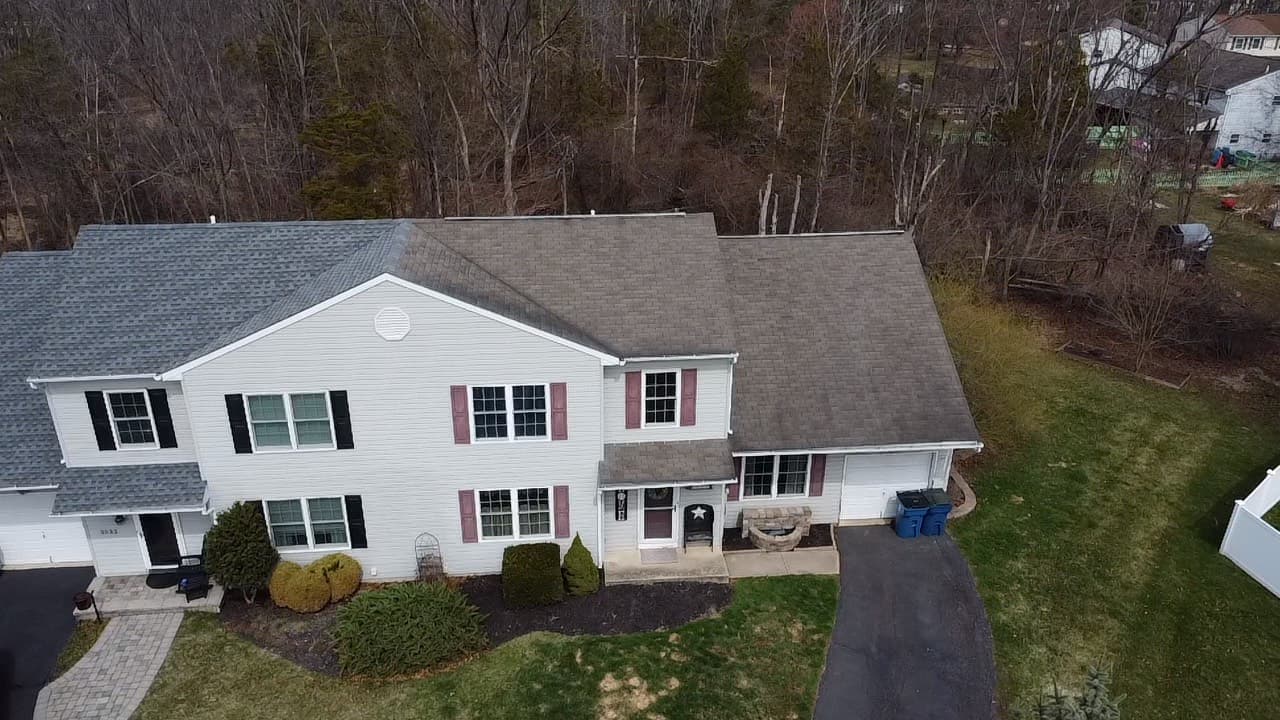
How Long Does Roof Replacement Take? A Realistic Timeline
Jeff Stover
Owner of E&K Contracting with 20+ years of exterior remodeling experience in Bucks, Lehigh, and Montgomery Counties.
How long does roof replacement take? In most cases, the roof work itself takes about 1 to 3 days, but the full project usually takes 2 to 4 weeks from inspection to final sign-off. That gap is where most confusion happens, so it helps to separate the day your roof gets replaced from the full calendar around it.
Early on, here’s what you should expect to learn:
- installation days versus full timeline
- what happens before roofing starts
- what slows a project down
- how material choice changes timing
- when replacement makes more sense than repair
- how to prepare your home before installation
How to think about roof replacement timing
A lot of homeowners hear a simple answer and assume the whole process moves that fast. You may be told a roof replacement takes one to three days, then notice that the actual calendar stretches longer. Both things can be true.
A roof replacement has two clocks. One clock measures active work on your roof, meaning tear-off, repairs, installation, and cleanup. The other measures the full project, which includes inspection, scope review, scheduling, permits where needed, material ordering, delivery, and final inspection. If you plan around only the first clock, your expectations will be off from the start.
The short answer: installation days vs. full project timeline
For many homes, the short answer is simple: active on-site replacement often takes 1 to 3 days, while the full process often runs 2 to 4 weeks. Those are two different clocks, and that distinction matters more than any single number.
A straightforward asphalt shingle roof on an average home can sometimes be finished in a day or two. A larger or more complex roof may take longer even before any surprise repairs show up. Then there is the planning side. Contract approval, scheduling, township timing, and delivery windows can add days before a crew ever sets a ladder against your house.
A realistic roof replacement timeline, step by step
The easiest way to make sense of the schedule is to follow the order of the project. Once you see the sequence, the timeline feels much less random.
Inspection, estimate, and scope review
The process starts with a roof inspection. At this stage, your roof gets measured, photographed, and reviewed for visible wear, leaks, flashing issues, ventilation concerns, and signs of damaged decking under the shingles. A professional inspection is the starting point because the actual schedule depends on the roof in front of you, not on a generic average.
This is also where the scope gets clearer. If your roof has soft spots, uneven lines, aging pipe boots, failing chimney flashing, or questionable attic airflow, those details affect how the work is planned. Sometimes this phase moves quickly. Sometimes it takes longer because the estimate needs added detail or the roof condition raises follow-up questions about what should be replaced at the same time.
Scheduling, permits, and material ordering
Once the scope is approved, the project shifts into planning. This is the part many homeowners do not count, even though it often takes more time than the installation itself.
Scheduling includes locking in a crew, arranging delivery, and setting up debris disposal. Permits may also be part of the process depending on local requirements. In Bucks, Lehigh, and Montgomery counties, permit timing and inspection scheduling can vary by township or borough, which means two similar homes a few miles apart may move on different calendars.
Material ordering matters too. Standard asphalt shingles are usually easier to schedule than specialty products or uncommon colors. If your project includes upgraded ventilation components, custom flashing details, or related exterior work, that can lengthen the lead time even if the actual roof installation remains fairly short.
Tear-off, repairs, installation, and final cleanup
Once the job starts, the site gets busy fast. Old roofing comes off first, then the roof deck gets checked for damage. After that, any needed repairs are made, underlayment goes down, flashing details are addressed, and the new roofing material is installed. Cleanup follows, including debris pickup and magnet sweeps for nails.
That sequence sounds simple on paper, but each step depends on the one before it. If damaged wood appears after tear-off, installation pauses until the deck is sound. If weather turns, work may stop until conditions improve.
A driveway in Doylestown or Allentown can look like the whole project started that morning because the dumpster, materials, and crew all arrive at once. The catch is that much of the project timeline already happened before that point.
What usually affects how long roof replacement takes
Timing changes for practical reasons, not mysterious ones. The main variables are the roof itself, the material going on it, and the jobsite conditions around it.
Roof size, shape, and pitch
Larger roofs take longer because there is more surface to tear off and replace. That part is straightforward. Complexity is where the timeline really changes.
Roof complexity just means how many details interrupt a simple install. A low-slope rectangular roof with few penetrations moves faster than a steep roof with multiple facets, dormers, valleys, skylights, chimneys, and intersecting roof lines. Each angle and transition needs extra cutting, fitting, flashing, and safety setup. Steeper pitch also slows movement and handling because the crew needs more protection and more careful footing.
Material type and installation method
Asphalt shingles are usually the fastest residential option. The system is familiar, widely available, and comparatively quick to install on many homes. Metal roofing often takes longer because panel layout, trim details, and fastening methods are more exact. Slate and tile usually take longer still because the material is heavier, more fragile to handle, and more labor-intensive to set correctly.
Installation method matters just as much as material. A full tear-off takes longer than installing over one existing layer where code and roof condition allow it. Added waterproofing details, upgraded underlayments, and more involved flashing work can also extend the schedule, even when the roof covering itself is not unusual.
Weather, access, and crew availability
Weather is one of the biggest timing variables. Roofing crews need dry, safe conditions. Rain, strong wind, storm forecasts, and very high heat can pause work or push the start date. Even if a calendar slot is open, unsafe roof conditions make speed irrelevant.
Access matters more than many homeowners expect. A tight driveway, mature landscaping, detached garage placement, fencing, or limited staging space can slow material handling and cleanup. A simple roof on a hard-to-access property may take longer than a more complex roof with excellent access.
Crew size and scheduling also affect timing. Some projects move quickly because enough installers are assigned to the job. Others wait longer to start because contractor calendars are full or labor remains tight across the industry. Labor shortages still affect roofing schedules in some markets, which helps explain why a project can be ready on paper but not ready to begin tomorrow.
How long different roofing materials usually take
Material choice shapes both your installation days and your long-term maintenance cycle. Some roofs go on faster but wear out sooner. Others take longer to install and last much longer.
Asphalt shingle roofs
Asphalt shingles are usually the quickest replacement option for residential homes. In many cases, the installation phase fits the one to three day range, especially on smaller or moderately sized homes with straightforward roof lines. Some contractors even report that very simple jobs can be completed in a single day, though that should be treated as the exception, not the planning baseline.
Asphalt also tends to be the most familiar system for local crews, which helps with scheduling and material availability. In terms of lifespan, asphalt shingles often last about 20 to 30 years with normal wear and maintenance.
Metal, tile, and slate roofs
Metal roofs usually take longer than asphalt because the layout and trim details are less forgiving. Specialty systems also depend more on installer experience with that exact material.
Tile and slate roofs move at a different pace altogether. Tile replacement often takes 5 to 10 days for the installation phase, depending on roof size, weather, and complexity. Slate and tile often require more prep, more careful handling, and more detail work around edges, penetrations, and transitions. In some cases, structural considerations also come into play because these systems are heavier than asphalt.
Delays that can add time once the job starts
Most homeowners understand weather delays. The bigger surprises usually happen after tear-off, when the roof system is finally exposed.
Hidden decking or structural damage
This is one of the most common reasons a short job gets longer. Once the old roof comes off, damaged plywood, rotted boards, soft spots, or sagging sections may show up. Those conditions have to be fixed before new materials go on.
Concealed damage is one of the biggest reasons a two-day job turns into a longer project. Until the old roofing is removed, nobody can fully confirm what is happening underneath. That is why a project-specific schedule always has some flexibility built in.
Ventilation, flashing, and code upgrades
Mid-project changes are not always about damaged wood. Sometimes the roof deck is fine, but the attic ventilation is poor, the flashing around a chimney or wall is failing, or some part of the assembly no longer meets current requirements. Those issues may need correction before installation continues.
This can add time because the roof system works as a whole. New shingles over bad flashing or poor ventilation are like putting new tires on a car with an alignment problem. The surface looks better, but the underlying issue is still there.
Inspection holds and material supply issues
Some projects need inspections during or after the work. If that timing slips, the whole project can pause even when the labor side is ready. Material supply can create the same kind of delay.
Back-ordered accessories are a common example. The shingles may be on site, but a matching ridge vent, flashing component, or specialty trim may not be. Industry backlogs and stock changes have made timelines difficult to predict at times, which is why clear communication matters so much before and during the job.
How to tell if your roof is ready for replacement instead of another repair
A timing question often hides a bigger one: do you actually need a replacement now, or could a repair buy more time?
Common signs you should stop patching
Repeated leaks, missing shingles, visible water stains, granules collecting in gutters, sagging roof lines, algae or moss growth, and daylight through roof boards all point to a roof that may be reaching the end of its useful life. If your roof is around 20 years old and several of those signs are showing up at once, replacement becomes the more realistic path.
There is also a pattern to watch for. If the same areas keep needing attention, patching starts to act like a temporary bandage. At some point, you are not fixing isolated damage anymore. You are managing a failing system.
When repair or restoration may still make sense
Repair still makes sense when damage is limited and the rest of the roof is in sound condition. A few missing shingles after wind, isolated flashing failure, or one small leak does not automatically mean the whole roof is done.
Restoration can also make sense in selected cases if the roof is still structurally viable and the goal is to extend its life rather than replace it immediately. The deciding factor is not wishful thinking. It is whether the roof structure and field of roofing still have enough life left to justify targeted work.
How you can prepare to keep the project moving
You cannot control the weather, but you can remove a lot of avoidable friction before installation day.
Questions to ask before you sign
Ask for a written timeline that separates pre-job scheduling from active installation days. That one step clears up most confusion. You should also ask which dates are firm, which are estimates, what might change the schedule, whether permits and disposal are included, how hidden damage is handled, and how updates will reach you during the project.
A written estimate should spell out the timeline, materials, and project scope in plain language. Reviewing written estimates and contracts carefully helps you catch missing items before the schedule becomes a problem.
Simple steps before installation day
Prepare for roofing the way you would clear space before a large appliance delivery, just on a bigger scale. Move vehicles away from the driveway. Protect items in the attic from dust or vibration. Clear patio furniture, grills, and loose outdoor items away from the work zone. Make driveway access easier for deliveries and debris removal.
It also helps to plan for noise and movement around your home for a day or two. If you work from home or have pets that react to commotion, make arrangements ahead of time. Simple prep does not shorten every project, but it does reduce the small delays that add up.
Roof replacement timelines in pennsylvania: what local homeowners should expect
Pennsylvania timing has its own rhythm. Seasonal weather, municipal scheduling, and demand patterns all shape how soon your project starts and how smoothly it moves.
Seasonal timing in bucks, lehigh, and montgomery counties
Spring often brings a busy schedule because winter damage starts showing and storms can interrupt start dates. Summer offers long daylight hours, but very hot stretches can slow roof work for safety reasons. Fall is one of the busiest roofing seasons because conditions are often more stable and many homeowners want work finished before winter. Winter projects can still happen, but cold temperatures, snow, and ice narrow the available work windows.
In southeastern Pennsylvania, your calendar matters almost as much as your roof condition. A project planned in early fall may face a longer lead time than a similar project scheduled during a quieter period.
Why local permits and township rules can change the calendar
Permit and inspection timing varies by township or borough. That means your roof replacement in Bucks County may move differently than a similar project in Montgomery or Lehigh County, even if the roof size and material are nearly the same.
The practical takeaway is simple: do not assume a neighbor’s timeline will match yours. Local administrative steps can change the calendar before any tear-off begins.
What a reasonable timeline looks like for your home
The most useful way to estimate your schedule is to match your home to a realistic scenario, then ask for a written project timeline that confirms the details.
Quick timeline scenarios by home type
A modest home with a simple asphalt shingle roof may take one to two days for active installation, with the full process stretching across two to three weeks once inspection, scheduling, and final sign-off are included.
A larger home with multiple roof lines, dormers, valleys, or steeper pitch may need two to four installation days, plus a longer planning window because material staging and labor needs are greater.
A specialty roof, or any home where deck repairs show up after tear-off, may push well beyond the quick averages. In that case, the active work could take several more days, and the full project may extend if repair materials, inspections, or revised scope approvals are needed.
One thing to try before you book the job
Ask for a written timeline that separates three phases: pre-job scheduling, active roof installation, and final inspection or closeout. That single document makes it easier to compare proposals, set expectations for your household, and spot vague promises before the work begins.
Frequently Asked Questions
Can a roof really be replaced in one day?
Yes, some simple residential roofs can be replaced in one day if the size, layout, weather, and crew schedule all line up. That said, you should not assume one-day service as the default. Many homes still take one to three days for active installation.
How long will my house be exposed during roof replacement?
Usually, exposure is limited because roofing is installed in stages and crews protect the roof as work progresses. If weather changes or repairs are uncovered after tear-off, temporary protection may be used until work resumes safely.
Does a bigger crew always mean a faster roof replacement?
Not always. A larger crew can shorten active work time, but roof complexity, weather, access, and repair needs still control the pace. More people on site do not eliminate the need for careful flashing, decking checks, and cleanup.
Should you replace your roof if it is not leaking yet?
Sometimes, yes. If your roof is older, shows multiple warning signs, or has recurring repair issues, waiting for a leak can make the project larger and more expensive. A roof can be near failure before water shows up inside.
What should you do if hidden damage is found during the job?
Ask for written documentation that explains what was found, what repair is needed, and how it changes the timeline. That keeps the scope clear and helps you understand whether the delay is minor or likely to affect the rest of the project.
Roofing done right, the first time
E&K Contracting has served Bucks, Lehigh, and Montgomery County homeowners for over 20 years. Free estimates, no pressure.