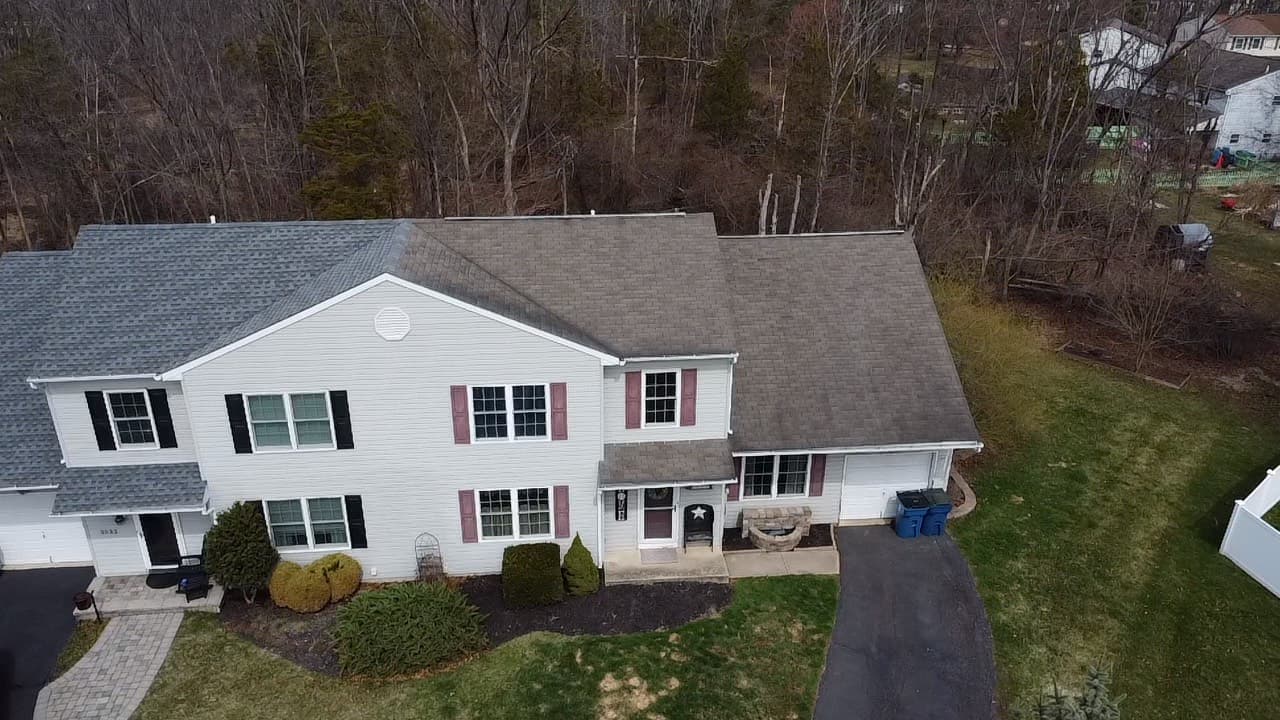
How Long Does a Roof Last in Pennsylvania?
Jeff Stover
Owner of E&K Contracting with 20+ years of exterior remodeling experience in Bucks, Lehigh, and Montgomery Counties.
How long does a roof last in Pennsylvania? In real conditions, most roofs here last less time than the label or warranty language suggests. In Bucks, Lehigh, and Montgomery counties, your roof has to handle freeze-thaw swings, rain, snow, humidity, and summer heat, so material type matters, but local weather and installation quality matter just as much.
How Long Does a Roof Last in Pennsylvania?
A practical answer is this: many asphalt roofs in Pennsylvania last about 15 to 30 years, metal often lasts 40 to 70 years, and slate can last for generations. The catch is that brochure numbers are usually ideal-case numbers. Your actual roof lives in southeastern Pennsylvania, not in a controlled test.
That difference matters. A roof in Quakertown, Doylestown, Allentown, or Lansdale deals with repeated wetting and drying, long cold stretches, hot afternoons, and the kind of seasonal swings that slowly wear materials down. If you want a useful estimate, it helps to think in ranges, not promises.
Average Roof Lifespan in Pennsylvania by Material
Material is still the starting point. Some roofing systems simply tolerate Pennsylvania weather better than others. But real-world performance matters more than warranty language, and warranty terms vary by product and tier.
Asphalt Shingle Roofs
Asphalt is the most common residential roofing choice because it is affordable and widely available. But it is also the material most likely to land below national averages in Pennsylvania.
For 3-tab shingles, a realistic local range is about 12 to 18 years. Architectural shingles usually last about 20 to 30 years, while premium shingles often reach 25 to 40 years when installation, ventilation, and maintenance are solid.
Here’s the thing: a “30-year shingle” is not a guarantee that your roof will still be performing well at year 30. In this climate, asphalt often delivers something closer to 70 to 80 percent of its rated lifespan. That is why older asphalt roofs, especially basic 3-tab systems, deserve closer attention once they move into the mid-to-late teens.
Metal Roofs
Standing seam metal roofs often last about 40 to 70 years in Pennsylvania. That longer lifespan is not just about the metal itself. It is also about how the system handles weather stress.
Metal sheds snow well, resists repeated moisture better than asphalt, and expands and contracts without losing surface granules because there are no granules to lose. It also tends to hold up better when temperatures swing sharply between winter mornings and warmer afternoons. Exposed-fastener metal systems usually have a shorter service life than standing seam because fasteners and washers wear out sooner.
Slate, Tile, and Other Long-Lasting Roofs
Slate is the longest-lasting mainstream roofing option in Pennsylvania. A properly installed slate roof can last roughly 75 to 150+ years, and some hard-grade slate lasts even longer.
But the slate itself is only part of the story. Underlayment and flashing usually need attention much sooner, often decades before the slate reaches the end of its usable life. If your home has slate, that distinction matters. A slate roof can still need major work even when many of the tiles remain sound.
Clay tile, concrete tile, and synthetic or composite roofing can also last a long time, often on the higher end of the market. Still, weight, structure, flashing details, and maintenance all affect how well those systems perform on Pennsylvania homes.
Flat and Low-Slope Roofs
Flat and low-slope roofs are common on additions, porches, and some modern homes. These systems usually have a shorter lifespan than slate or metal because drainage is more demanding.
TPO roofing in Pennsylvania often lasts about 15 to 25 years. EPDM and well-installed TPO can reach 20 to 30 years. Membrane thickness, seam quality, and drainage design make a big difference here. A thicker 60-mil membrane usually holds up better than thinner options, especially if the roof is prone to ponding water.
Why Roofs Wear Out Faster in Pennsylvania
Pennsylvania is hard on roofs. The main issue is not one dramatic storm. It is repeated stress, season after season, year after year.
Freeze-Thaw Cycles, Snow, and Ice Dams
Water gets into small gaps. Then it freezes, expands, and pushes those gaps wider. That cycle repeats over and over, which is how minor weaknesses turn into cracked shingles, stressed flashing, and leaks.
In the Lehigh Valley, roofs can see 50 to 100+ freeze-thaw cycles in a year, along with more than 100 days below freezing. Snow adds weight, and ice dams at the eaves can force water backward under shingles. Even if one winter storm does not cause visible damage, the repetition adds up.
Rain, Humidity, and Summer Heat
Steady moisture exposure is a big factor in southeastern Pennsylvania. Rainfall is high, humidity hangs around, and shaded roof sections can stay damp longer than you expect. That creates better conditions for algae, moss, and slow material breakdown.
Then summer arrives. After a humid July day in Doylestown, a dark roof can stay hot well into the evening. That heat ages asphalt faster, especially if the attic below is poorly ventilated. Moisture from inside the house can also collect in the attic, which makes the roof system work harder from both directions.
Wind, Storm Damage, and Tree Debris
Wind does not need to tear half your roof off to matter. A gust can loosen a shingle edge, break a seal strip, or bend flashing just enough to let water in later. Hail can bruise shingles and shorten their life even when damage is not obvious from the ground.
Tree debris adds another layer of wear. Branches can scrape shingles, drop impact debris during storms, or trap leaves in valleys where water should flow freely. Small storm damage often starts the clock on bigger leaks if it goes unnoticed.
What Else Affects How Long Your Roof Lasts
Roof age is never just about the material. The supporting details often decide whether your roof lands near the top or bottom of its expected lifespan.
Installation Quality and Flashing Details
A good roofing product installed badly still fails early. That is one of the clearest rules in roofing.
Flashing is the metal material that seals roof joints around chimneys, walls, valleys, vents, and other transitions. These areas are the seams of the roof system, like the zipper on a winter coat. If the zipper fails, the coat stops doing its job. The same idea applies here. Poor flashing work is one of the most common reasons a relatively young roof starts leaking.
Attic Ventilation and Insulation
Ventilation and insulation are easy to overlook because you do not see them from the driveway. But poor airflow can quietly shave years off a roof.
A hot attic can overheat shingles from below in summer. In winter, uneven attic temperatures contribute to snow melt and refreezing at the eaves, which feeds ice dams. Moist indoor air can also condense on cold surfaces in the attic and lead to mold, damp insulation, or rotting roof decking. It is a bit like running a car engine without enough oil. The damage builds slowly, then suddenly becomes expensive.
Roof Pitch, Drainage, and Number of Layers
Steeper roofs generally shed water and snow more effectively. Low-slope areas hold moisture longer, which raises the risk of wear around seams, flashing, and penetrations.
Drainage matters just as much. If water cannot move off the roof efficiently, materials stay wet longer and fail sooner. Extra roofing layers can also create problems. Pennsylvania code generally allows up to two layers before tear-off is required, but stacked layers can trap heat, add weight, and hide damaged decking underneath.
Signs Your Pennsylvania Roof May Be Nearing the End
A roof does not need to leak into your kitchen to count as a problem. Visible wear often shows up earlier.
Exterior Warning Signs
Look for curling, cracked, or missing shingles. Watch for bald spots where protective granules have worn away, especially near downspouts or in gutters. Rusted flashing, sagging roof areas, damaged valleys, and worn ridge caps are all warning signs.
Moss and algae are not always cosmetic. If growth is heavy or concentrated in shaded damp sections, it can signal that moisture is lingering too long on the roof surface.
Interior and Attic Clues
Inside the house, water stains on ceilings or walls are obvious warning signs, but subtler attic clues matter too. Damp insulation, moldy smells, condensation on framing, and daylight showing through roof boards all point to trouble.
Leaks also travel. Water can enter in one area and appear several feet away, so a stain in one room does not always mean the failure is directly above it.
How to Make Your Roof Last Longer
You cannot stop Pennsylvania weather, but you can reduce how quickly it wears your roof down.
Get Regular Inspections and Fix Small Problems Fast
Routine inspections matter more as the roof ages. Once an asphalt roof reaches the mid-to-late teens, small problems deserve faster attention because deterioration often accelerates from there.
A swapped shingle or corrected flashing detail is far less disruptive than full replacement. The same goes after storms. Even if you do not see a leak, wind and hail can leave behind damage that shows up months later.
Keep Gutters Clear and Control Roof Debris
When gutters back up, water can sit at the roof edge longer than it should. That increases the risk of rot, edge damage, and winter ice problems.
Leaf buildup in valleys, overhanging branches, and shaded damp sections also shorten roof life. For homes that need new gutters, full gutter replacement can improve drainage and reduce repeat moisture problems at the roofline.
Improve Ventilation Before Replacing the Roof
If your old roof failed partly because ventilation or insulation was weak, a new roof can age the same way. That is the trick. Sometimes the surface is not the only issue.
Before replacement, it makes sense to look at the full system: attic airflow, insulation levels, flashing, drainage, and any low-slope trouble spots. If your contractor is an Owens Corning Preferred Contractor, that can help when you are comparing installation standards and product options, but workmanship still matters more than the label alone.
When Repair Makes Sense and When Replacement Is Smarter
A few isolated issues do not always mean the whole roof is done. But repeated repairs on an aging roof often stop making sense.
Good Candidates for Repair
Repair usually makes sense when damage is limited and the roof still has useful life left. A newer roof with one missing section after a wind event is different from an older roof with broad wear across every slope.
Local repairs also make sense when the problem is concentrated around one flashing area, one vent, or one small section of storm damage. If most of the roof is still in good shape, repair can buy meaningful time.
Signs Replacement Is the Better Move
Replacement is usually the smarter move when the roof is near its expected age, has repeated leaks, widespread shingle failure, sagging, or multiple repair areas across the system. National data shows the average roof being replaced is just over 19 years old, which lines up closely with aging asphalt roofs in Pennsylvania.
If repairs keep stacking up in different places, the roof is often telling you that it is near the end of its run. At that point, replacing the system usually gives you a clearer long-term fix than chasing leak after leak.
A Simple Way to Estimate Your Roof’s Remaining Life
Start with the material. Then add the actual age, storm history, ventilation quality, number of past repairs, and visible wear. That combination gives you a much better estimate than warranty language alone.
Try one simple thing before the next major storm season: check your home records for the roof’s installation year, then compare that age to the Pennsylvania lifespan ranges in this guide. If the roof is approaching the lower end of its expected range and you already see wear, it is time to treat it like an aging system, not a future problem.
Frequently Asked Questions
Does a 30-year Shingle Really Last 30 Years in Pennsylvania?
No, not usually. In Pennsylvania, real roof life is often shorter than the rating because freeze-thaw cycles, rain, humidity, and summer heat create more wear than ideal test conditions. For many homes, architectural shingles perform more like 20 to 30 years, not a guaranteed 30.
How Often Should You Have Your Roof Inspected?
A good baseline is an inspection after major storms and more routine checks as the roof gets older. Once an asphalt roof reaches the mid-to-late teens, regular inspections become more useful because small issues can turn into larger failures faster.
Does Insurance Cover an Old Roof?
Insurance handling often depends on the cause of damage and the roof’s condition before the loss. Sudden storm damage is treated differently from long-term wear and tear. Age can also affect coverage terms, depreciation, and how an insurer evaluates the roof.
What Roof Lasts Longest in Pennsylvania?
Slate lasts the longest in most cases, often for many decades and sometimes more than a century. Among more practical mainstream options, standing seam metal is one of the longest-lasting choices. The tradeoff is higher upfront cost compared with asphalt.
Can a New Roof Fail Early If Attic Ventilation Is Poor?
Yes. Poor ventilation can overheat shingles, trap moisture, contribute to ice dams, and shorten the life of the new roof just like it did the old one. If the ventilation problem stays in place, the replacement roof may age the same way.
Roofing done right, the first time
E&K Contracting has served Bucks, Lehigh, and Montgomery County homeowners for over 20 years. Free estimates, no pressure.