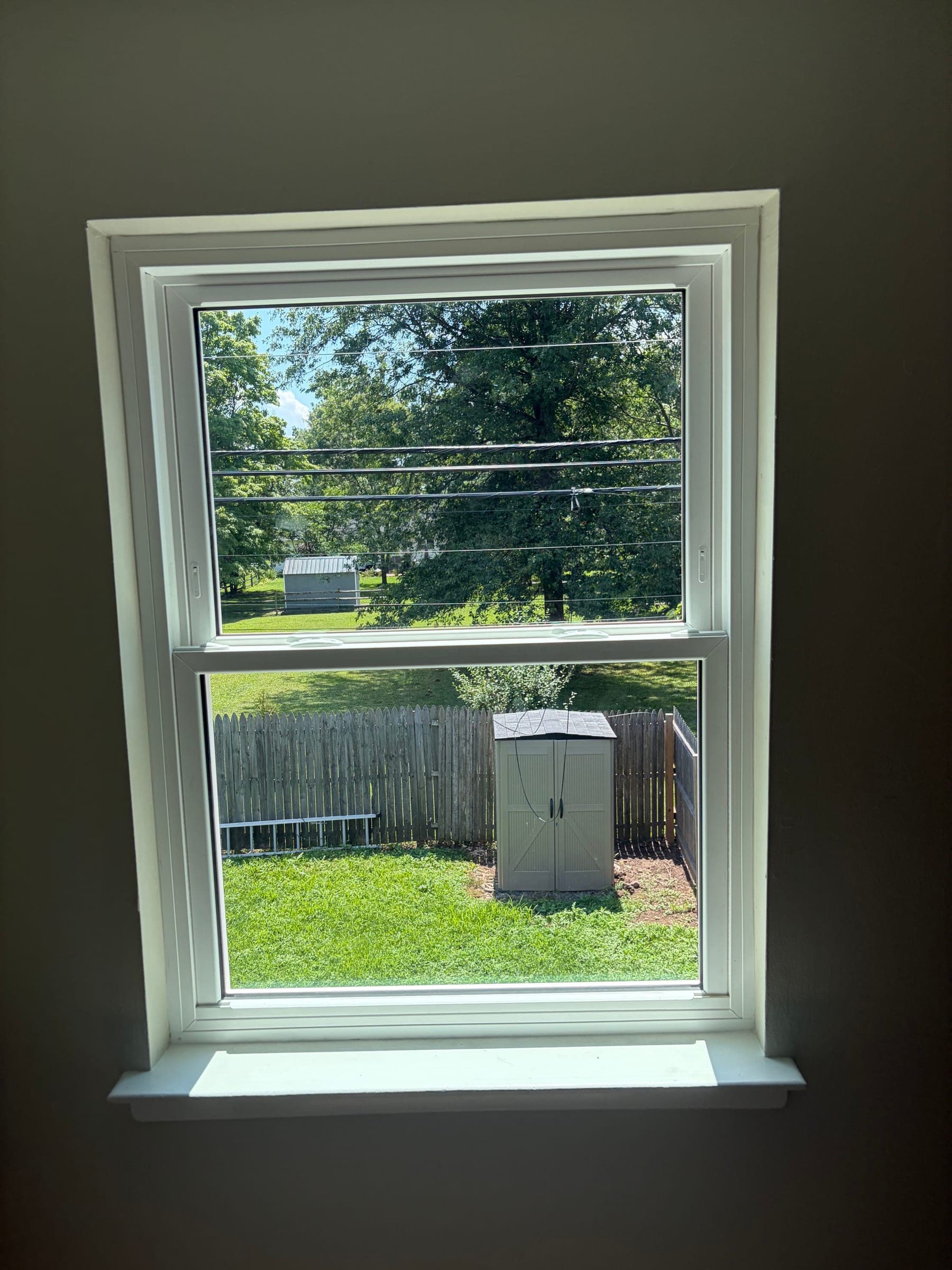
Fiberglass vs. Vinyl Windows: An Honest Comparison
Jeff Stover
Owner of E&K Contracting with 20+ years of exterior remodeling experience in Bucks, Lehigh, and Montgomery Counties.
Fiberglass and vinyl are the two frame materials most homeowners compare when they replace windows. Both are low maintenance, both can be very energy efficient, and both can look sharp on a Pennsylvania home. The differences are real, though, and they matter more on some houses than others.
What each material is
Vinyl windows are made from extruded PVC. The frame is hollow inside, divided into chambers that add stiffness and trap air for insulation. Higher-end vinyl windows have more chambers, thicker walls, welded corners and sometimes foam fill or metal reinforcement.
Fiberglass windows are made by pulling glass fibers through resin and curing them into a rigid profile, a process called pultrusion. The result is a frame that is very stiff and very stable. Some fiberglass frames are also foam-filled for added insulation.
Strength and stability
This is where fiberglass stands out. A fiberglass frame is much stiffer than vinyl, so it resists bowing and twisting even on tall or wide units. That stiffness lets manufacturers build narrower frames, which means more glass and less frame.
Fiberglass also expands and contracts at a rate close to glass. Every Pennsylvania winter puts windows through freeze-thaw swings, and a frame that moves differently from the glass puts stress on the seal around the insulated glass unit. Fiberglass keeps that stress low.
Vinyl moves more with heat and cold. Good vinyl windows are engineered for it, with welded corners and proper clearances, and they perform well for years. On very large openings, dark colors or walls that take full afternoon sun, that movement is worth thinking about.
Energy performance
Both materials are poor conductors of heat, which is what you want in a window frame. In practice, the frame material makes less difference to energy performance than the glass package and the installation.
Look for insulated glass with a Low-E coating, warm-edge spacers and a gas fill. Then check the NFRC label, which lists U-factor and solar heat gain for the whole window. Comparing labels lets you compare a fiberglass window and a vinyl window on equal terms instead of relying on sales language.
Installation still decides the outcome. A well-insulated frame installed with gaps around it will feel drafty no matter what it is made of.
Appearance and color
Sightlines
Because fiberglass is stiffer, its frames and sashes can be slimmer. On a house with many windows, or on older homes where narrow profiles look more authentic, that slimmer look can be a meaningful upgrade.
Vinyl frames are usually bulkier to get the stiffness they need. Premium vinyl lines have improved a great deal, but side by side, the difference is often visible.
Color and finish
Vinyl color is usually built into the material, so it never needs paint. White and light neutrals are the most common. Many lines offer darker exterior colors, but dark vinyl absorbs more heat, so the choices are often narrower.
Fiberglass takes paint and factory finishes very well, including deep colors like black, bronze and dark green that have become popular on farmhouses and updated colonials. Many fiberglass frames can be repainted later if your exterior color scheme changes.
Interior options
Both materials come in white and other interior colors, and some lines offer wood-look or real wood interior surfaces. If you want stained wood trim inside, ask which options pair with each frame.
Maintenance
Vinyl is about as low maintenance as windows get. Wash it occasionally, keep the tracks and weep holes clear, and check the caulk at the exterior trim.
Fiberglass is similar. A factory finish lasts a long time, and if it eventually fades, the frame can be refinished rather than replaced. Neither material rots, and neither needs regular painting the way wood windows do.
Fit and finish details
On a premium window, the small things add up:
- Corner construction. Vinyl corners should be cleanly welded. Fiberglass corners should be tight and well sealed.
- Sash operation. The sash should move smoothly and lock firmly, without flex or rattle.
- Hardware. Locks, cranks and tilt latches should feel solid and match the room.
- Glass and grilles. Ask about warm-edge spacers, grille options and whether the glass package is matched to each side of the house.
- Exterior trim. The way the window is trimmed and flashed on the outside affects how finished it looks and how well it sheds water.
Which material suits older Pennsylvania homes
Many homes here are older colonials, twins and farmhouses with traditional window proportions. On those houses, the frame profile matters. Slim fiberglass frames, often paired with simulated divided lites, can keep the look closer to the original windows. Well-proportioned vinyl can also work, especially in white on a house that already has white trim. Either way, ask to see a corner sample and compare the frame width with your current windows.
How installation changes the result
A frame is only as good as the way it is set in the opening. That means accurate measurements, a unit set plumb, level and square, shims at the right points, low-expansion foam or insulation around the frame, and flashing that sends water out.
Fiberglass is less forgiving of a careless install in one way: because it is so rigid, it will not flex to hide an out-of-square opening. Vinyl can bend slightly, which can mask problems at first but leads to sticking sashes or uneven seals later. Either way, the opening needs to be right.
Whether the job is insert or full-frame replacement also matters. If the existing frame shows rot or water damage, full-frame replacement is usually the better path regardless of material.
What drives cost
Frame material is one factor, alongside window size, operating style, glass package, color, grilles, hardware, interior finish, exterior trim and installation method. Fiberglass generally sits higher than vinyl, but the gap depends heavily on which product lines you compare. For a figure based on your house, try the free Instant Estimate, and if you want to spread the investment out, our financing calculator can help.
Which one fits your home
Vinyl often makes sense when you want strong comfort and low maintenance in white or light colors on standard-size openings.
Fiberglass often makes sense when you want slimmer sightlines, darker exterior colors, very large openings or the most dimensional stability through hot summers and cold winters.
If you are weighing both, look at our window replacement services, see our recent work, or request a free estimate and we can compare options opening by opening.
Frequently Asked Questions
Are fiberglass windows stronger than vinyl?
Fiberglass frames are stiffer than vinyl, which lets them be made with narrower profiles and helps on large or dark-colored windows. Quality vinyl windows use internal chambers and sometimes reinforcement to add strength.
Do vinyl windows expand and contract?
Yes. Vinyl moves more with temperature than glass does, while fiberglass moves at a rate much closer to glass. A well-designed vinyl window accounts for this, but it is one reason fiberglass holds its seals well over many seasons.
Can vinyl windows come in dark colors?
Many vinyl lines offer darker exterior finishes, but dark colors absorb more heat and the options are often more limited than with fiberglass. Fiberglass frames take paint and dark finishes well.
Which lasts longer, fiberglass or vinyl?
Both can last a long time when well made and properly installed. Installation quality and the glass seal usually decide lifespan more than the frame material alone. Warranties vary by product and tier, so read what is prorated and excluded.
Windows done right, the first time
E&K Contracting has served Bucks, Lehigh, and Montgomery County homeowners for over 20 years. Free estimates, no pressure.