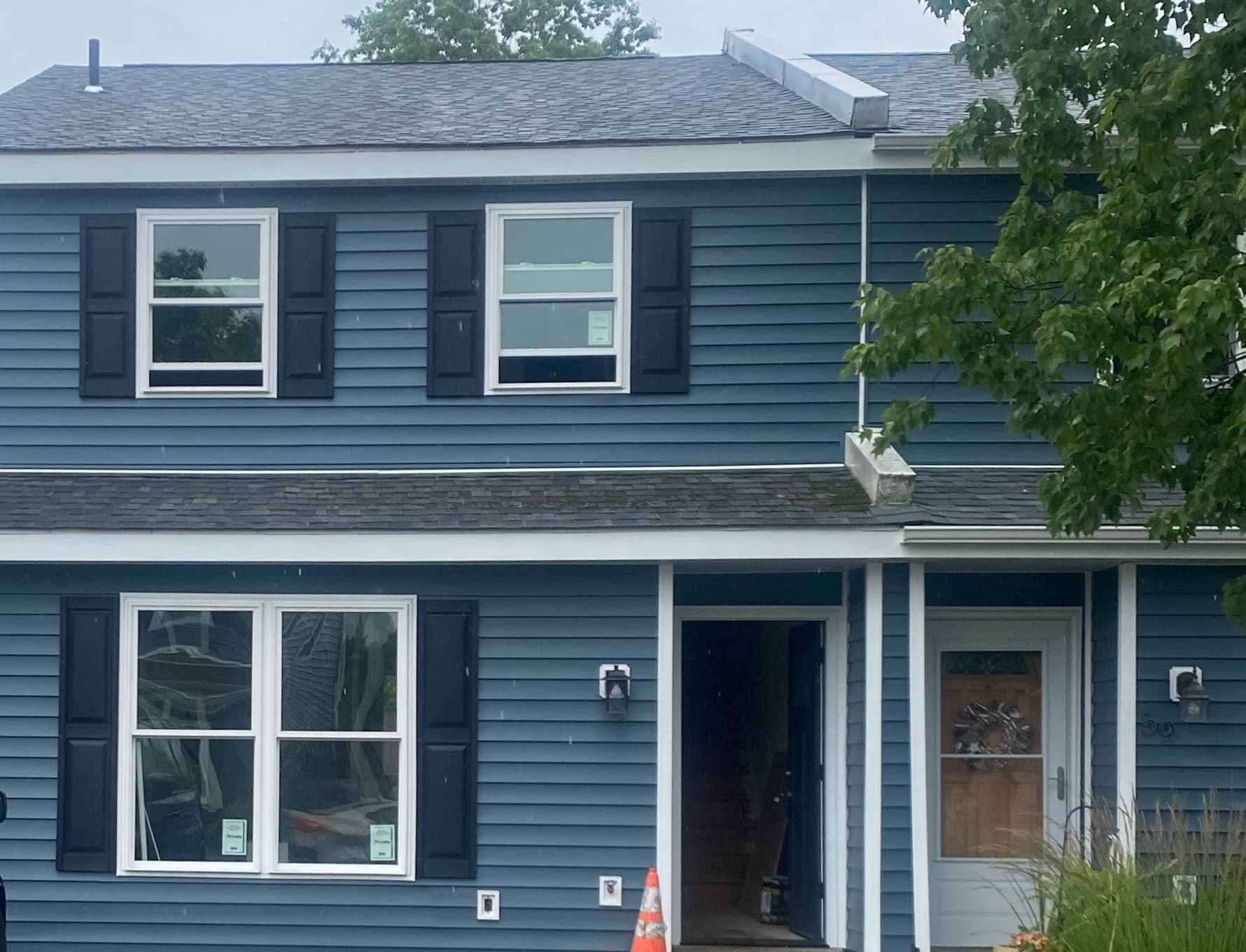
Energy-Efficient Siding: What Homeowners Should Know
Jeff Stover
Owner of E&K Contracting with 20+ years of exterior remodeling experience in Bucks, Lehigh, and Montgomery Counties.
Energy efficient siding can make your home feel less drafty, but it is not magic. If you have ever stood near an outside wall on a cold January morning in Bucks County and felt that chill even with the heat running, this guide will help you understand what siding can improve, what it cannot, and how to choose it wisely.
Why energy-efficient siding matters more than You’d think
Siding is easy to treat as a curb appeal project. New color, cleaner lines, less maintenance. But siding also plays a working role in your home’s outer shell. It helps shield the wall structure from wind, rain, and temperature swings, and that affects how much conditioned air stays where it belongs.
Here’s the thing: heat does not leave your home through one dramatic gap. It slips out through many small weaknesses. Loose panels, failed caulk, aging trim, exposed sheathing, and worn weather barriers all add up. When siding is outdated or poorly installed, your heating and cooling system has to work harder to keep rooms comfortable.
For homes in Bucks, Lehigh, and Montgomery counties, that matters in both directions. Winters bring cold winds and freeze-thaw cycles. Summers bring humidity and long stretches of sun. Your siding has to handle both without trapping moisture or letting air move too freely through the wall assembly.
How siding affects your Home’s energy use
Siding affects energy use by protecting the layers beneath it and, in some cases, adding insulating value of its own. On its own, exterior cladding is only one part of the system. In combination with house wrap, wall insulation, trim details, and sealed openings, it helps reduce heat transfer and air infiltration.
R-value is the term used to describe resistance to heat flow. A higher R-value means a material slows heat movement more effectively. That number matters, but only up to a point. What you actually notice is simpler: fewer drafts, steadier indoor temperatures, and less strain on your heating and cooling equipment.
Some siding products are built with insulated backing. Others rely more heavily on the wall system behind them for thermal performance. That is why two homes with the same siding can feel very different inside.
Siding, insulation, and air sealing work together
Siding alone does not carry the job. If wall insulation is thin, gaps around windows are open, or trim joints are poorly sealed, even a high-performing siding product will fall short.
A better way to think about it is like a winter coat. The outer layer blocks wind and moisture, the inner layer traps heat, and the fit matters. If the zipper is open, the coat stops doing its job. Your exterior wall works the same way.
That is why installation quality matters as much as material choice. Insulated backing, weather-resistant barriers, flashing, and sealed penetrations all affect the result. Even strong products underperform when those details are skipped.
What energy-efficient siding can and Can’t do
Energy-efficient siding can improve comfort, reduce air leakage, and support better overall wall performance. Insulated vinyl, for example, is often highlighted for better thermal resistance than standard siding, and some research ties insulated vinyl replacement to lower heating demand (insulated vinyl siding).
But siding will not fix every comfort problem in your home. It will not solve major attic insulation gaps, failing windows, duct leakage, or an aging HVAC system on its own. If upstairs rooms are always hot in summer, the attic may be the bigger issue. If air is pouring in around old windows or doors, siding can help at transitions, but it cannot erase a larger weakness somewhere else.
Signs your current siding may be wasting energy
You do not need a dramatic failure to have an inefficient exterior. In many homes, the early signs are subtle. The house still looks mostly fine from the street, but comfort starts to slip.
That pattern shows up often in older homes across Lehigh and Montgomery counties. Years of weather exposure can loosen panels, dry out caulk, and create pathways for air and moisture to move through the wall.
Drafts, higher bills, and uneven room temperatures
If a room feels colder near the exterior wall than it does at the center, your wall system may be underperforming. The same goes for a room that heats or cools slowly compared with the rest of the house.
Another clue is a steady rise in utility bills without a clear change in usage. Energy costs move around, of course, but when comfort drops at the same time, the exterior deserves a closer look.
Indoor temperature swings matter too. If one side of your house feels noticeably different from the other, sun exposure and insulation levels may be part of it, but worn siding and air leakage can make that imbalance worse.
Cracks, warping, loose panels, and moisture trouble
Visible damage often points to energy loss and moisture intrusion happening together. Cracked boards, loose panels, warped sections, or open joints near trim all create weak points.
Inside the house, the signs may show up as bubbling paint, a musty smell, staining, or soft spots near exterior walls. Moisture problems are not just cosmetic. Wet wall components lose performance, and trapped moisture can lead to mold, rot, or pest issues over time.
Types of energy-efficient siding to compare
Most homeowners narrow the field to a handful of common materials. The right fit depends on the balance you want between thermal performance, durability, maintenance, appearance, and budget.
No siding type is best for every house. The trick is matching the product to the condition of your walls, your tolerance for upkeep, and the weather your home sees year after year.
Insulated vinyl siding
Insulated vinyl usually leads the energy efficient siding conversation for a reason. It pairs a vinyl exterior with rigid foam backing, which helps reduce heat transfer and can improve how solid the wall feels overall.
This type of siding is also popular because it asks little from you after installation. It does not need routine painting, and the insulated versions are often chosen specifically for comfort and lower air movement through the wall assembly. Some sources describe insulated vinyl siding with relatively high R-values for the category and note that full-back foam helps improve thermal performance (fullback insulation).
The catch is that the product still has to be fitted and sealed properly. A good panel cannot make up for careless work around corners, trim, or windows.
Fiber cement siding
Fiber cement is known more for durability and weather resistance than for built-in insulation. It handles harsh conditions well and gives you a more substantial look than vinyl, which is why many homeowners consider it a long-term exterior upgrade.
Its energy performance depends more on the full wall assembly behind it. If your contractor addresses house wrap, flashing, insulation gaps, and sheathing condition, fiber cement can be part of a very effective exterior system. If not, you are mainly getting a durable finish layer.
For southeastern Pennsylvania homes, this can be a strong option when resilience and appearance matter as much as efficiency.
Engineered wood and composite siding
Engineered wood and composite siding sit in the middle for many buyers. You get a wood-like appearance with less upkeep than traditional wood, and many products are designed to resist moisture and seasonal movement better than older natural wood systems.
Energy performance varies by product, but these materials generally depend on the wall assembly more than on the board itself. Their real appeal is the mix of practical performance and design flexibility. If you want a warmer architectural look without constant repainting, this category is worth a close look.
Traditional wood and metal siding
Wood has natural insulating value and a classic appearance, but it usually asks for more maintenance. If upkeep slips, performance tends to slip with it.
Metal siding is durable and can work well in the right application, but it usually needs added insulation strategies to improve thermal performance. Without that extra attention, it is rarely the first choice when energy savings are a top priority.
What to look for when choosing energy-efficient siding
A lot of product marketing focuses on one selling point at a time. Real-world results come from a combination of factors. You are not buying a label. You are buying a wall system upgrade.
Insulated backing and r-value
Insulated backing can help, especially when you are replacing older siding with little thermal benefit. It may also help reduce the effect of thermal bridging, which is heat moving through framing members instead of insulation.
Still, do not choose solely by the highest advertised R-value. That number is only one part of the picture. A slightly lower-rated product installed with better air sealing can outperform a higher-rated one installed poorly.
Moisture resistance and weather protection
Moisture control is tied directly to energy performance. Wet materials do not insulate well, and repeated water intrusion shortens the life of the wall.
Ask how the siding system handles drainage, flashing, and transitions around windows, doors, and rooflines. In Pennsylvania, your exterior has to deal with wind-driven rain, snow, humidity, and freeze-thaw stress. Good water management details are not optional. Research on exterior upgrades consistently ties proper moisture blocking to better long-term efficiency and fewer wall problems (properly installed siding).
Durability, maintenance, and expected lifespan
Lower maintenance often saves more than a lower upfront bid. If one material needs regular painting, more frequent repairs, or more attention after storms, ownership looks different over time.
Durability matters just as much in older housing stock. If your home has areas that get heavy shade, splashback, or repeated weather exposure, choose a product that can handle that without constant intervention.
Color, sun exposure, and local climate
Color is not just a style choice. Darker siding absorbs more heat, while lighter colors reflect more of it. That matters most on walls with strong sun exposure.
In southeastern Pennsylvania, heating season is a major concern, but cooling comfort still matters in summer. If your home has little tree cover and long afternoon sun, color and material choice can affect surface temperature in a noticeable way. The right decision depends on your house, not on a trend sample.
Installation details that make or break energy savings
This is the part many homeowners miss. Siding performs well only when the layers behind and around it are handled correctly.
A beautiful installation can still be a weak energy upgrade if the wall was never inspected, the flashing is wrong, or the air sealing is incomplete.
House wrap, flashing, and sealed penetrations
House wrap is the weather-resistant layer installed over sheathing and behind the siding. It helps block bulk water and uncontrolled air movement while still allowing the wall to dry properly.
Flashing is the material used to direct water away from vulnerable joints, especially around windows, doors, trim, and roof intersections. Sealed penetrations are the details around vents, fixtures, and other openings through the wall.
If these areas are handled casually, air and moisture find a way in. If they are handled carefully, the siding system has a much better chance of performing as intended.
Why old siding removal and wall inspection matter
Installing over existing problems is how cosmetic work turns into an expensive redo later. Removing old siding allows inspection of the sheathing, framing edges, and insulation condition behind the wall.
This is where hidden rot, insect damage, missing insulation, or water staining often shows up. It is also the best time to correct those issues before the new exterior goes on. For many older homes, that inspection step is what separates a real efficiency upgrade from a simple visual refresh.
Questions to ask a contractor before the job starts
Before signing a contract, ask direct questions about the wall assembly, not just the finished look. Ask whether insulated siding options are offered, how air sealing will be handled, whether damaged sheathing will be replaced, and how windows and doors will be flashed.
Also ask how trim transitions, vents, and other penetrations will be sealed, and what warranty terms apply to materials versus labor. Warranty coverage varies by product and tier, and prorated terms are common depending on the system selected.
Budget, value, and possible incentives
The cheapest bid is rarely the clearest value. Siding decisions work better when you compare total ownership, not just the initial contract amount.
That means thinking about maintenance, likely repairs, comfort, and the chance to address hidden wall issues during replacement.
Upfront cost vs long-term operating cost
Spending more can make sense when the product is more durable, needs less upkeep, or supports better thermal performance over time. That is especially true if the project includes real wall improvements instead of simply covering the old exterior.
If one bid skips wall repairs, upgraded wrap, or insulated backing, it may look attractive at first and cost more later. A lower contract total can hide a thinner scope.
Resale value and curb appeal
Siding replacement can support resale value because it changes both appearance and function. Buyers notice a fresh exterior, but they also notice signs of deferred maintenance.
Industry cost-versus-value reporting has consistently placed vinyl and fiber cement siding replacement among stronger exterior remodeling categories for value retention (Cost vs. Value Report). That does not mean every project pays back equally, but it does reinforce that siding is more than a cosmetic update.
Rebates and local research to do
Some energy-related home upgrades may qualify for incentives, but the rules can change and product requirements are specific. Before you buy, check current federal programs, Pennsylvania resources, utility offerings, and manufacturer documentation tied to the exact product you are considering.
If an incentive matters to your decision, verify it before the contract is signed, not after the materials are ordered.
Common mistakes homeowners make when buying siding
Most disappointing siding projects are not caused by a single bad material. They come from shortcuts, assumptions, or incomplete bids.
Choosing based on price alone
A lower quote can leave out the very items that make siding perform better: wall repairs, upgraded barriers, insulation improvements, and careful flashing details.
If one proposal is far lower than another, look closely at scope. Ask what is being removed, replaced, sealed, and inspected. Price only makes sense once the work is truly comparable.
Assuming any “energy-efficient” label means big savings
Marketing terms are easy to print on a brochure. Real savings depend on the existing condition of your walls, the product chosen, and how well the job is installed.
Some homeowners expect siding alone to transform utility bills. That is usually not how homes work. Better comfort is a more realistic first goal, with energy savings following from a stronger overall exterior system.
Ignoring maintenance and climate fit
A product that looks perfect in a showroom sample may be a poor fit for your house. Moisture exposure, tree cover, sun, winter weather, and your willingness to handle upkeep all matter.
If you want the lowest-maintenance option, choose accordingly. If you prefer a specific architectural look, understand what comes with it. The right answer is the one that fits your house and your habits.
Best siding choices by homeowner priorities
Most siding decisions become easier once you identify the priority that matters most to you.
Best for lowest maintenance
Insulated vinyl and standard vinyl are often the simplest to live with. They do not ask for regular painting, and routine upkeep is limited compared with wood-based products. If your goal is to swap old siding for something easier to manage, this category is usually the starting point.
Best for maximum energy performance
If energy performance is your main goal, insulated vinyl is often the most direct path, especially when paired with good air sealing and careful installation. It is one of the few mainstream siding categories built specifically to add meaningful insulating value at the cladding layer.
Best for a premium look with practical performance
Fiber cement, engineered wood, and composite siding are good fits when appearance matters just as much as function. You can get stronger curb appeal and durable performance, but energy results still depend on what happens behind the boards.
Best for older homes in southeastern pennsylvania
For older homes in Bucks, Lehigh, and Montgomery counties, the best choice is often the one that allows a full wall inspection and careful moisture management during replacement. In many cases, the hidden condition behind the old siding matters more than the finish material you choose next.
A simple first step before you choose
Before you compare products, walk around your home and take notes. Look for cracks, loose panels, failed caulk, soft trim, and spots where siding meets windows and doors. Inside, note which rooms feel drafty or uneven.
That small checklist makes contractor conversations more useful. It helps you get clearer proposals, ask better questions, and choose energy efficient siding based on real conditions instead of marketing language.
Frequently Asked Questions
Does new siding really make a house more energy efficient?
Yes, but mostly when the project improves the whole exterior system, not just the visible finish. New siding can help reduce drafts and heat transfer, especially if it includes insulated backing and better sealing around openings.
What is the most energy-efficient siding material?
Insulated vinyl is often the leading option when thermal performance is the main goal. It adds foam backing at the siding layer, but the final result still depends on wall insulation, moisture control, and installation quality.
Can siding fix drafts by itself?
Not always. Siding can reduce air leakage, but drafts may also come from windows, doors, attic bypasses, or missing insulation. If your home has multiple weak points, siding should be viewed as one part of the solution.
Is fiber cement a good choice for pennsylvania homes?
Yes, especially if you want durability and a more substantial appearance. Fiber cement handles weather well, but its energy performance depends more on the wall assembly behind it than on the board alone.
What should you ask before signing a siding contract?
Ask what will happen behind the siding, not just what the finished exterior will look like. Confirm how house wrap, flashing, air sealing, sheathing repairs, and insulation details will be handled, and review warranty terms by product and tier.
Siding done right, the first time
E&K Contracting has served Bucks, Lehigh, and Montgomery County homeowners for over 20 years. Free estimates, no pressure.