Double-Hung vs. Casement Windows: How to Choose for Each Room
Jeff Stover
Owner of E&K Contracting with 20+ years of exterior remodeling experience in Bucks, Lehigh, and Montgomery Counties.
Double-hung and casement windows are the two styles most homeowners in southeastern Pennsylvania end up choosing between. Neither one is better across the board. The right answer depends on the room, the reach, the look of the house and how much you care about airflow versus a traditional profile.
How each window works
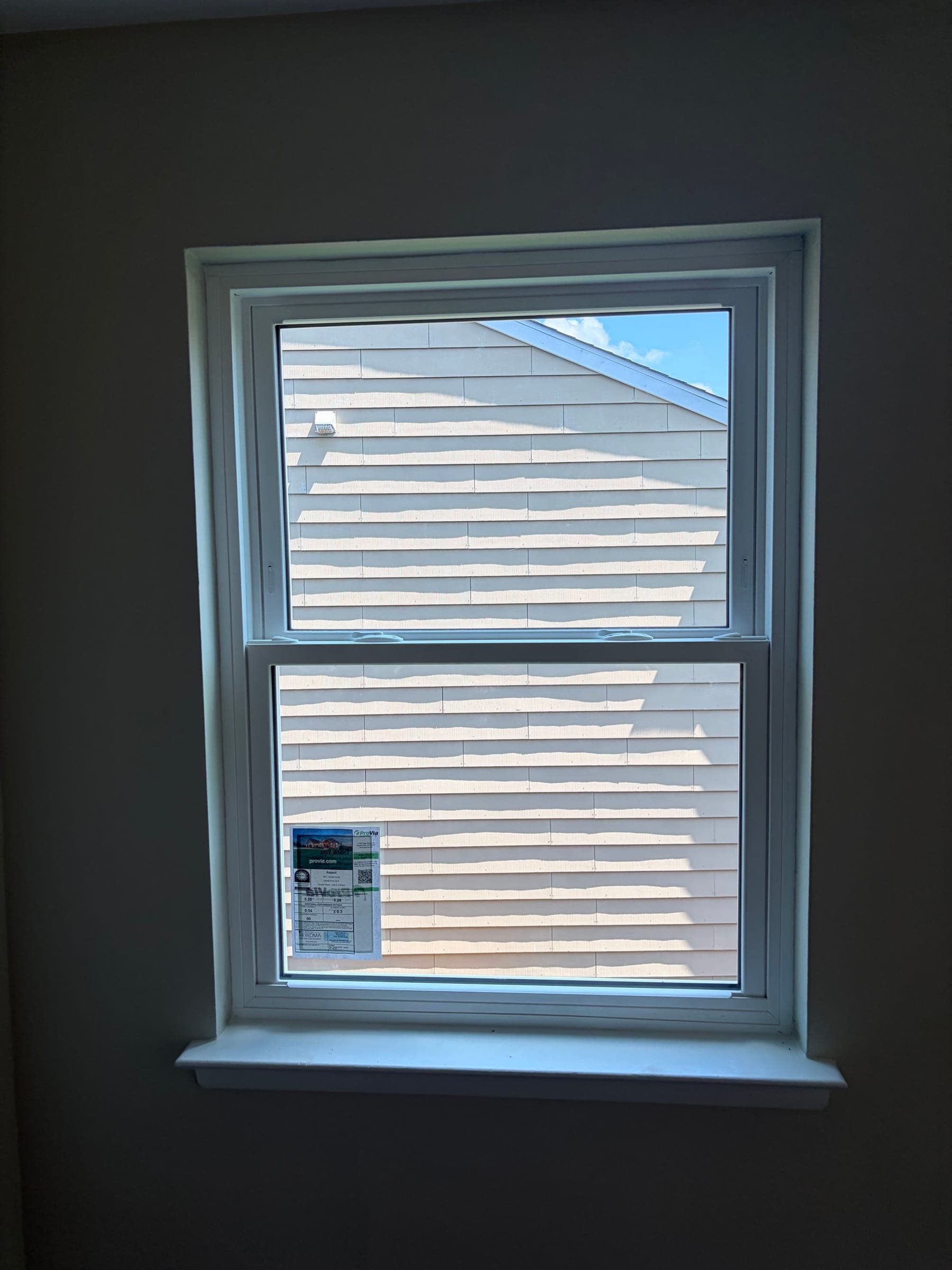
A double-hung window has two sashes that slide up and down in the frame. On most modern units, both sashes also tilt inward so you can clean the outside glass from inside the house. This is the window you see on most colonials, twins and farmhouses in Bucks, Lehigh and Montgomery counties.
A casement window is hinged on one side and swings outward, usually with a crank handle at the sill. When it closes, the sash pulls into the frame and locks against the weatherstripping. Awning windows work the same way but hinge at the top.
That difference in how the sash meets the frame drives most of the tradeoffs below.
Sealing and energy performance
Casements have a natural advantage here. Because the sash compresses against the weatherstripping when it locks, there is less of a path for air to sneak through. On a windy January day, that tight seal is noticeable.
Double-hung windows have sliding joints where the sashes meet each other and the frame. A quality unit handles this with dense weatherstripping, a solid interlock at the meeting rail and a sash lock that pulls the two sashes together. A cheaper unit can feel loose in the tracks, and that is where drafts start.
The glass package matters as much as the operating style. Insulated glass with a Low-E coating does most of the work of keeping heat where you want it. When you compare windows, look at the NFRC label on each one rather than assuming a casement will always win. A well-built double-hung with a strong glass package can outperform a poorly made casement.
Ventilation and airflow
A casement opens the full sash, so nearly the entire glass area becomes open air. The open sash can also catch a breeze moving along the side of the house and steer it inside. In a humid Pennsylvania summer, that can make a real difference in a stuffy room.
A double-hung only opens about half its area at a time, because one sash slides over the other. The upside is flexibility. You can lower the top sash a few inches to let warm air escape near the ceiling while the bottom stays closed, which is handy for a bedroom at night or a home with pets and small children.
Where each style works best
Rooms that favor casements
Casements shine where reaching is awkward. Over a kitchen sink or a deep counter, pushing up a double-hung sash is a stretch. Turning a crank is easy.
They also suit wide, short openings, spaces where you want an unbroken view, and contemporary or updated interiors where a clean single pane of glass looks right.
Rooms that favor double-hung
Double-hung windows fit the traditional look that most older Pennsylvania homes were built around. If your house has a symmetrical front with evenly spaced windows and shutters, double-hung units usually keep the character intact.
They are also a practical choice along decks, porches and walkways, because nothing swings out into the space. A casement opened next to a patio can become something people walk into.
Mixing styles on one house
Plenty of homes use both. Double-hung on the street-facing elevations and casements in the kitchen or over a bathroom tub is a common, sensible combination. The key is matching frame color, exterior trim and grille patterns so the two styles read as one design.
Maintenance and long-term wear
Double-hung windows have balances inside the frame that hold the sash in place when it is open. Over many years, balances and weatherstripping wear and may need attention. On a good unit, these parts are serviceable.
Casements have more mechanical hardware: the crank operator, hinges and multi-point locks. Quality hardware moves smoothly for a long time. Bargain hardware is often the first thing to fail, so it is worth opening and closing the exact model before you buy.
Screens differ too. A double-hung screen sits on the outside. A casement screen sits on the inside, since the sash swings out. Some homeowners prefer the look of an exterior screen, others like that interior screens are easier to remove.
Fit and finish details worth checking
This is where premium windows separate themselves. A few things to look at on a showroom sample or a neighbor's install:
- Sightlines. How wide is the frame and sash compared with the glass? Narrow, balanced sightlines look more refined and let in more light.
- Meeting rail. On a double-hung, the rail where the sashes meet should be stout and lock firmly without rattling.
- Operation. The sash should slide or swing smoothly with even pressure. Gritty, stiff or loose movement rarely gets better with age.
- Grilles. Grilles between the glass are easy to clean. Simulated divided lites, applied to the outside and inside of the glass, give more depth and a more authentic look on older homes.
- Hardware finish. Locks and cranks should match the room's other hardware and feel solid in the hand.
Installation matters more than the label
Either style only performs as well as it is installed. The opening needs to be measured precisely, the unit set plumb, level and square, shimmed at the right points, and insulated and air-sealed around the frame. Flashing has to direct water out, not into the wall.
Casements are especially sensitive to being square. A frame that is slightly out of square can keep the sash from sealing evenly, which defeats their main advantage. Double-hung windows that are not installed plumb can bind in the tracks.
If you want to change from one style to the other, the opening may need more work. Bedroom windows also have to meet egress requirements, which can affect which style and size will work. That is often a reason to consider full-frame replacement rather than an insert.
What drives the cost difference
Rather than chase a number, it helps to know what moves the price: the size and number of openings, frame material, glass package, hardware, grille style, exterior trim work, and whether the job is insert or full-frame replacement. Casements carry more hardware, while large double-hung units can need heavier balances. For a figure on your own house, the free Instant Estimate is the quickest starting point.
Choosing the right window for your home
Start with the room, not the catalog. Where is it hard to reach? Where do you want the most airflow? Which elevations need to keep a traditional look? Answer those, and the choice between double-hung and casement usually becomes clear.
If you would like help weighing options for your house, take a look at our window replacement services, browse recent projects, or request a free estimate and we will walk through each opening with you.
Frequently Asked Questions
Do casement windows seal better than double-hung windows?
Casements usually seal more tightly when closed because the sash presses against the weatherstripping as it locks. A well-built double-hung with good weatherstripping and careful installation can still perform very well.
Can I mix double-hung and casement windows on the same house?
Yes. Many homes use double-hung windows on the main elevations and casements where reach or airflow is a problem, such as over a sink or counter. Matching frame color, grille pattern and sightlines keeps the house looking consistent.
Which window is easier to clean?
Both can be cleaned from inside. Most modern double-hung sashes tilt in, and many casements open far enough to reach the outside glass through the opening. Ask to see the cleaning position on the exact model you are considering.
Can I switch from double-hung to casement in the same opening?
Often, yes, but it is a bigger change than a straight swap. The opening, the exterior trim and egress requirements in bedrooms all need to be checked, and full-frame replacement is usually the cleaner way to change operating style.
Windows done right, the first time
E&K Contracting has served Bucks, Lehigh, and Montgomery County homeowners for over 20 years. Free estimates, no pressure.