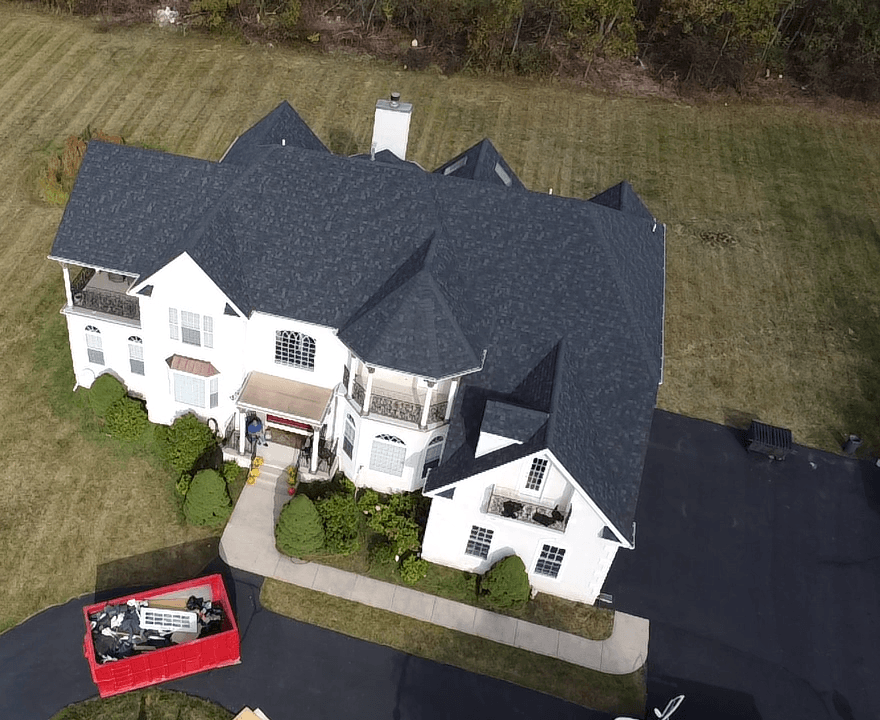
Can You Replace a Roof in Winter? Pros, Risks, and Limits
Jeff Stover
Owner of E&K Contracting with 20+ years of exterior remodeling experience in Bucks, Lehigh, and Montgomery Counties.
Yes, you can replace a roof in winter, but only when conditions are right. If you notice a leak on a cold January morning in Bucks, Lehigh, or Montgomery County, winter is usually the season to fix a problem that cannot wait, not the ideal season to plan a routine roof swap.
Can you replace a roof in winter?
A winter roof replacement is possible in Pennsylvania. The catch is that “possible” does not mean every cold day works. Temperature, roof moisture, wind, snow, material type, and safe working conditions all decide whether the job should move forward or pause.
For most homes, the real question is not just can you replace a roof in winter. It is whether your roof needs replacement now, or whether it is stable enough to wait for better weather. That distinction matters because winter installation leaves less room for shortcuts.
The short answer for pennsylvania homeowners
If you live in Bucks, Lehigh, or Montgomery counties, you can get a roof replaced in winter, but not on demand and not under every condition. Freezing temperatures, frost, icy decking, and short daylight hours can change the schedule quickly.
That is especially true for asphalt shingles, still the most common residential roofing material. Winter work can be done, but it has to match the product requirements and the day’s actual conditions, not just the calendar.
What makes winter roof replacement harder
Winter roofing is harder for practical reasons, not just because it feels colder. Materials react differently, crews get fewer usable hours, and even a thin layer of frost can stop the job.
Temperature affects shingles, sealants, and handling
Cold weather changes how roofing materials behave. Asphalt shingles get stiffer as temperatures drop, which makes cutting, bending, and nailing harder. Around 40°F minimum is a common benchmark for smoother asphalt shingle installation, and conditions below 30°F are often treated as a higher-risk range.
That matters because shingles are not installed like rigid boards. They need some flexibility to sit properly, especially at ridges, valleys, and other shaped areas. In cold weather, a shingle can crack from handling alone.
Moisture, frost, and snow can stop the job
A roof surface has to be dry and clear before replacement starts. Snow is obvious, but frost and thin ice are just as serious. A roof can look workable from the ground and still be too slick or too cold at the surface.
Moisture also affects quality. Underlayment, flashing details, and shingles need proper contact with the roof deck. If frost sits between the materials and the surface, the installation can suffer before the roof is even finished.
Winter daylight and safety slow everything down
Winter jobs often take longer because crews get fewer workable daylight hours and spend more time on setup, protection, and cleanup. Safe movement on the roof is slower when surfaces are slippery or partially thawed.
Roofing is already a high-risk trade, and weather-related project risks become more obvious in winter. Hidden ice, falling snow, and cold hands handling brittle materials are real jobsite limits, not minor inconveniences.
When replacing a roof in winter makes sense
Winter replacement makes sense when waiting creates more damage than the season itself.
Active leaks, storm damage, or structural problems
If water is getting into your attic, ceiling, insulation, or wall cavities, replacement can be the right move even in winter. The same goes for storm damage, torn-off sections, or decking that has started to soften or sag.
A large share of re-roofing starts because of failure, not preference: leaks, storm damage, and age. In plain terms, roof replacement often happens because a roof has stopped doing its job.
An aging roof that will not make it to spring
If your roof is already at the end of its service life, winter weather can push it past the limit. Many roofs last somewhere between 20 and 50 years, depending on material and workmanship, but age alone is not the whole story. Repeated patching, curling shingles, exposed fasteners, and chronic leaks usually mean the system is wearing out.
Freeze-thaw cycles are hard on weak spots. Water gets in, temperatures drop, materials expand and contract, and small failures get bigger. At some point, repeated repairs stop being practical.
The pros of replacing a roof in winter
Winter replacement has a few real advantages, but the benefits are situational.
Faster scheduling and contractor availability
Winter can be less crowded than peak roofing season. If your roof issue appears suddenly, you may get a faster inspection and a faster start date than you would in late spring or early fall.
That matters when your goal is not convenience. It is getting your home covered before the next stretch of rain, snow, or wind.
Immediate protection from leaks and weather damage
This is the biggest benefit by far. Replacing a failing roof now can stop water from moving deeper into decking, insulation, drywall, trim, and framing.
Think of it like fixing a broken window in January. Waiting for perfect weather sounds nice, but your house keeps paying the price in the meantime.
Possible off-season pricing in some cases
Some winter jobs may come with more competitive pricing, but you should not assume that. Extra labor, slower handling, hand-sealing, weather delays, and safety measures can offset any off-season savings.
In other words, winter is not automatically cheaper. Scope, material, roof complexity, and conditions still drive the price more than the season alone.
The risks and limits you need to know
This is where the answer becomes more precise. Yes, winter replacement can work. No, it is not just normal roofing in colder clothes.
Asphalt shingles have the strictest cold-weather limits
Asphalt shingles are common because they are practical and widely used, but they are also the most temperature-sensitive option for winter installation. Below about 40°F, shingles can become brittle enough to crack during movement or fastening.
Cold also affects how the finished roof looks and performs. Shingles may not settle flat right away, and the adhesive strips may take longer to activate. That delay can matter if your roof is exposed to winter wind before the shingles have fully sealed.
Seal strips may not bond right away
The seal strip is the factory-applied adhesive band on each shingle that helps one course lock to the next. In warm weather, sunlight and roof temperature help that strip bond. In winter, especially on cloudy or shaded roofs, that process can take longer.
Until that bond forms, shingles can be more vulnerable to uplift. Some products allow hand-sealing with approved materials in cold weather, but that has to follow manufacturer instructions exactly.
Installation errors cost more in winter
Cold-weather roofing leaves less room for sloppy work. Misnailing, cracked tabs, rushed flashing details, and poor sealing are easier to miss when materials are stiff and the workday is shorter.
That is why workmanship matters so much. Proper installation and good underlayment are major parts of long-term roof performance in any season, and winter magnifies that. Valleys, chimneys, sidewalls, vents, hips, and ridges need careful attention because those are the places where small mistakes tend to turn into leaks.
Some winter days are simply a no-go
Some conditions should stop the project outright. Icy roof surfaces, active snowfall, heavy wind, extreme cold, or temperatures below the product requirements are all valid reasons to delay.
That is the simple limit to remember: can does not mean any day you want.
Which roofing materials work better in winter
Material choice affects how realistic a winter replacement is.
Asphalt shingles: possible, but temperature-sensitive
Asphalt shingles can be installed in winter with the right conditions, careful handling, warm storage, and product-specific methods. But this is the material that demands the most caution.
Some cold-weather shingle products are more flexible than standard options, though the rules still come from the manufacturer, not guesswork. If your home has a typical asphalt system, temperature windows matter a lot.
Metal roofing: often a better cold-weather option
Metal roofing is often easier to install in winter because it does not depend on thermal sealing in the same way asphalt shingles do. That can make planning more straightforward during cold stretches.
It is also growing in popularity. Even so, winter metal work still depends on dry surfaces, proper underlayment, and safe handling around snow and ice.
Other materials and product-specific rules
Cedar, slate, synthetic roofing products, and low-slope membranes all come with different cold-weather rules. EPDM, for example, may need temperatures around 45°F for best adhesive performance. Some synthetic products tolerate colder installation better than standard asphalt, but you still have to follow the listed instructions.
The main point is simple: winter roofing decisions should be based on the exact product going on your house, not broad assumptions about “roofing” as one thing.
What a good winter roofing plan should include
A solid winter roofing plan should sound flexible and specific at the same time.
Material storage, warming, and cold-weather adhesives
Shingles may need to be stored indoors or kept warm before installation so they stay flexible enough to handle safely. Some winter jobs use hot boxes or other controlled warming methods. Cold-weather-compatible adhesives or sealants may also be part of the plan when the product allows it.
If materials sit outside overnight in freezing temperatures and go straight onto the roof, problems get more likely.
Dry conditions, weather windows, and flexible scheduling
A good winter plan depends on choosing the right weather window, not locking in a rigid date weeks ahead. Temperatures can shift quickly in southeastern Pennsylvania, and a roof that looked workable yesterday may have frost on it today.
That is normal. A well-run project may shift by a day or two to wait for a dry roof surface, calmer wind, or better midday temperatures.
Extra attention to flashing and ventilation
Flashing is the metal or membrane detail that protects joints around chimneys, walls, skylights, and vents. Winter is a bad time for shortcuts in those areas because water intrusion often starts there.
Ventilation matters too. Adequate attic ventilation helps control temperature and humidity, which can reduce winter moisture issues and ice dam stress. If your roof is being replaced, this is one of the details worth checking closely.
Should you replace your roof now or wait until spring?
The decision comes down to urgency, roof condition, and actual weather conditions.
Replace now if damage is active or spreading
If your roof is leaking, missing sections, exposing decking, or allowing damage to spread inside the house, replacing it now usually makes more sense than waiting. That is the clearest rule in this whole topic.
Waiting on an actively failing roof often costs more than dealing with the harder season.
Wait if the roof is stable and conditions are poor
If the roof is intact, the problem is minor or mostly cosmetic, and the weather stays outside safe installation limits, waiting until late spring or early fall can be the better move.
For planned replacement, milder weather gives installers more flexibility and gives materials a better environment to seal, settle, and perform.
Frequently Asked Questions
What temperature is too cold to replace a roof?
There is no one cutoff for every material, but many contractors treat below 30°F as a high-risk range for roofing work. For standard asphalt shingles, around 40°F is a common target for smoother installation, while some specialty products allow colder application if the manufacturer says so.
Do new shingles seal in winter?
Yes, but not always right away. Asphalt shingles use a seal strip that responds to warmth and sunlight, so cold, cloudy, or shaded conditions can delay bonding. That is why handling, placement, and any approved hand-sealing steps matter more in winter.
Will a winter roof replacement take longer?
Often, yes. Shorter days, slower movement for safety, material handling precautions, and weather delays can all stretch the timeline. A winter project may still be the right decision, but you should expect the schedule to stay weather-dependent.
How do you know if your roof can wait?
If you have active leaks, sagging, missing shingles, soft decking, repeated repairs, or new water stains inside, it probably should not wait. If the roof is dry, stable, and the issue is minor, waiting for better conditions may be the smarter choice. Try one simple check after the next cold rain or snow melt: look in the attic or at the top-floor ceiling and note any new damp spots or stains.
Roofing done right, the first time
E&K Contracting has served Bucks, Lehigh, and Montgomery County homeowners for over 20 years. Free estimates, no pressure.